Another practical history lesson from Richard Campanella, a geographer with the Tulane School of Architecture and a Monroe Fellow with the New Orleans Center for the Gulf South, is the author of “Bienville’s Dilemma,” “Geographies of New Orleans,” and the forthcoming “Bourbon Street: A History” (2014). He may be reached through rcampane@tulane.edu or @nolacampanella on Twitter.
Until just a few years ago, each of the seven districts elected its own assessors, who staffed their own offices and assessed taxes independently — a system unique in the nation. It took civic intervention after Hurricane Katrina to finally consolidate those political redundancies.
Plantations, faubourgs, Creoles, Anglos, competition, expansion, drainage, politics, taxes: embedded in that seemingly mundane map are sundry episodes in the human geography of New Orleans, going back 200 years.


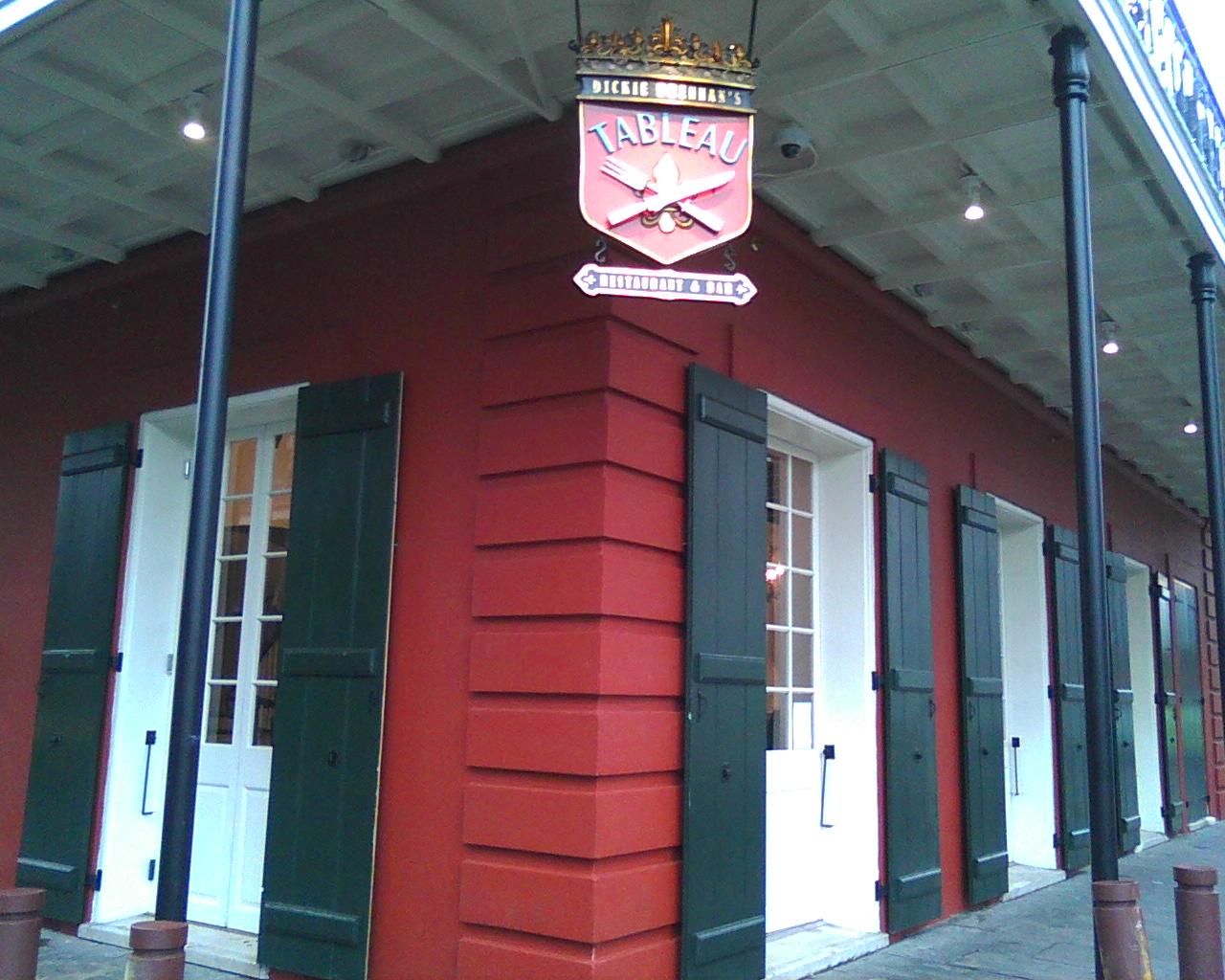
 French Quarter block by block
You must be logged in to post a comment.