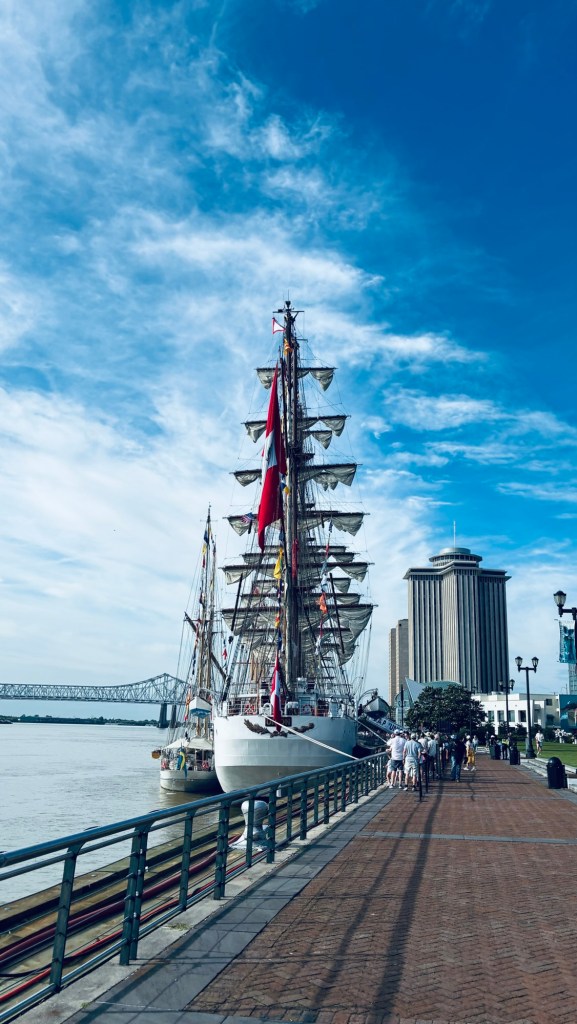
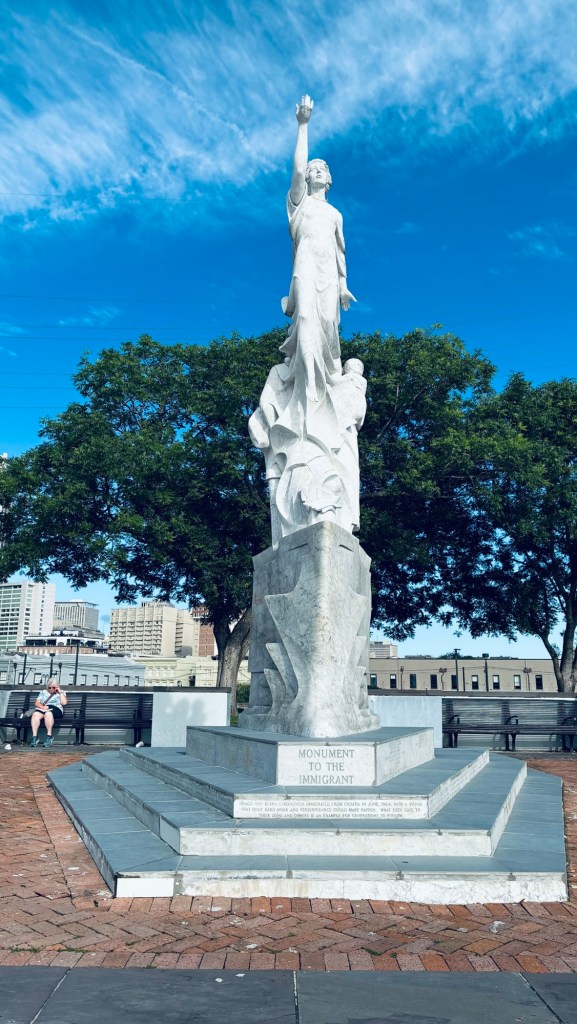
#sail250 is here

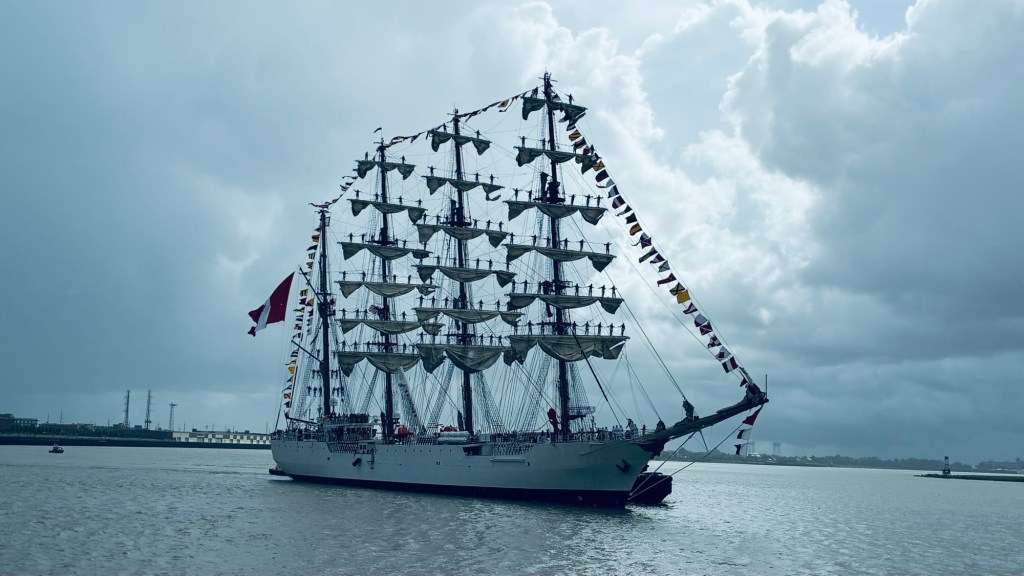
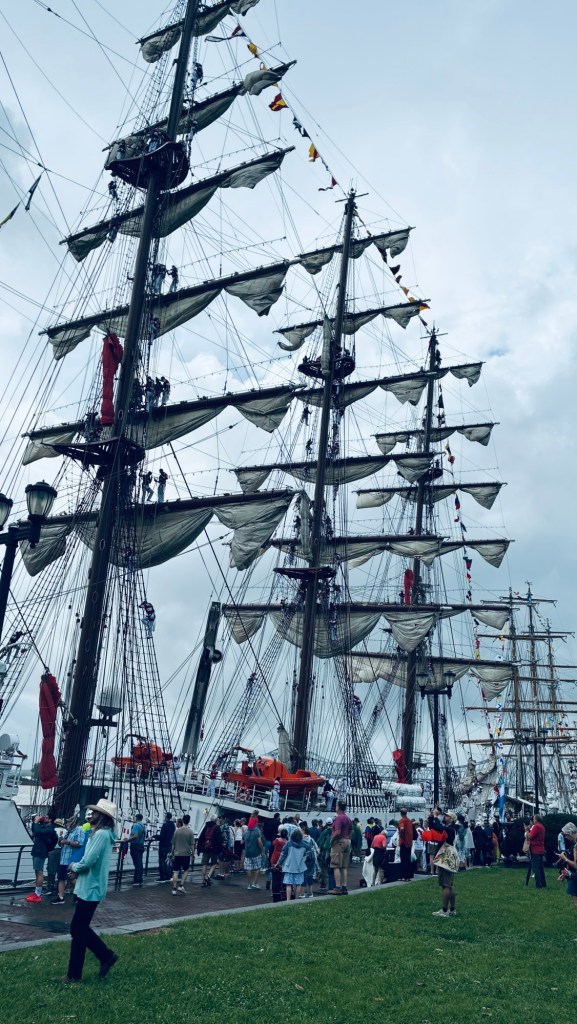
visitors and locals alike are flocking down to the old quarter to view the gorgeous array of #TallShips here as part of the US’s celebration of the US’s 250th year.

info to know about water and New Orleans:

The Port of South Louisiana handles the largest amount of shipping, in tonnage, of all U.S. ports and exports most of the grain from the US.

from The Planets World site:

“The Mississippi River is exceptionally deep at Algiers Point, at approximately 200 feet, and wide, measuring one mile across. Recent barriers are being constructed to protect the river’s navigation against rising waters. The Port of New Orleans has seen an increase in cruise traffic, with major cruise lines like Norwegian and Royal Caribbean operating from the port, which also serves as Louisiana’s only deep-water container port.”

of course the state is criss-crossed with waterways and has the 3rd longest coastline in the US.

for the most part, Louisianans view water as a work place: crabbing, commercial fishing, oil and gas jobs, trawling, piloting, tourism, and all of the efforts that sustain the combined port. however it is also “fisherman’s paradise”ranking in the top 10 for coastal marshes and redfish fishing with one of the most productive inland waterway systems…

The Mississippi River drains 2/3 of the continental US and New Orleans has much of its flood controls, reducing harm to the rest of the basin, Deliberate water diversion at the Old River Control Structure in Louisiana allows the Atchafalaya River in Louisiana to be a major distributary of the Mississippi River, with 30% of the combined flow of the Mississippi and Red Rivers flowing to the Gulf of Mexico by this route.
A Home on Decatur

We lost a long time FQite last year and this week, Occasional Wife had his estate sale at his home in the 1100 block of Decatur.

RIP Fred Lawson. You contributed a lot and based on your students and fellow teachers’ tributes, you were deeply respected at Ben Franklin.

His name is also familiar for those who care about preservation, as he served on the Vieux Carre Commission among other activities.

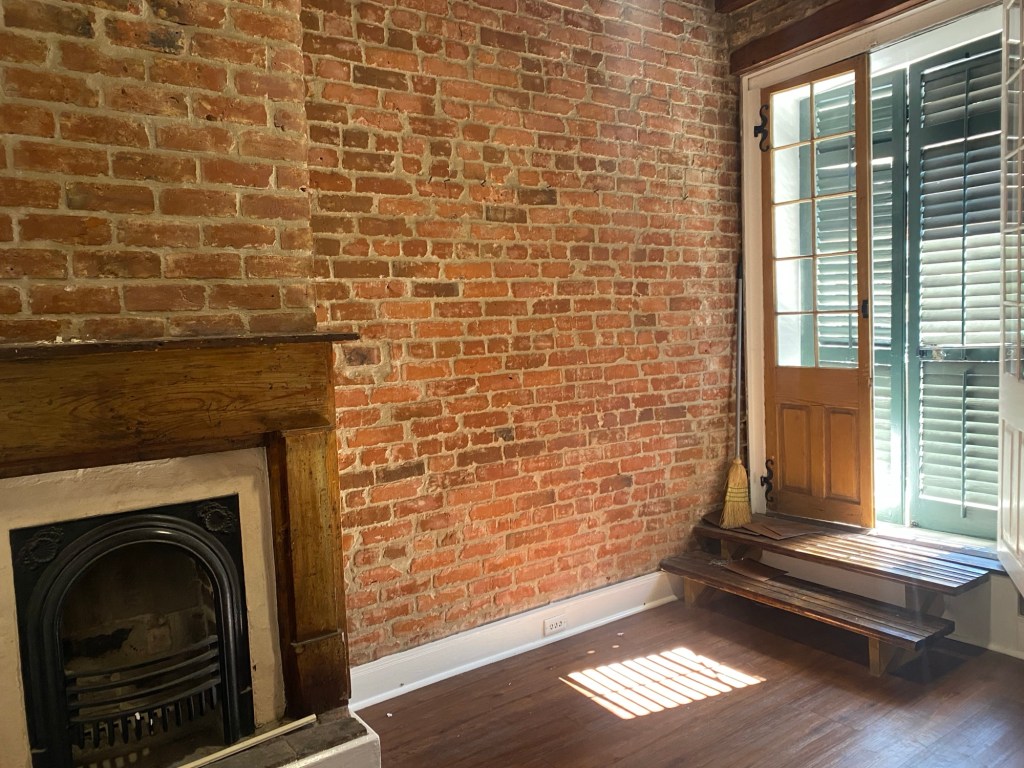
I’m always honored to go in and get a sense the life that was lived and to feel how the space was loved.

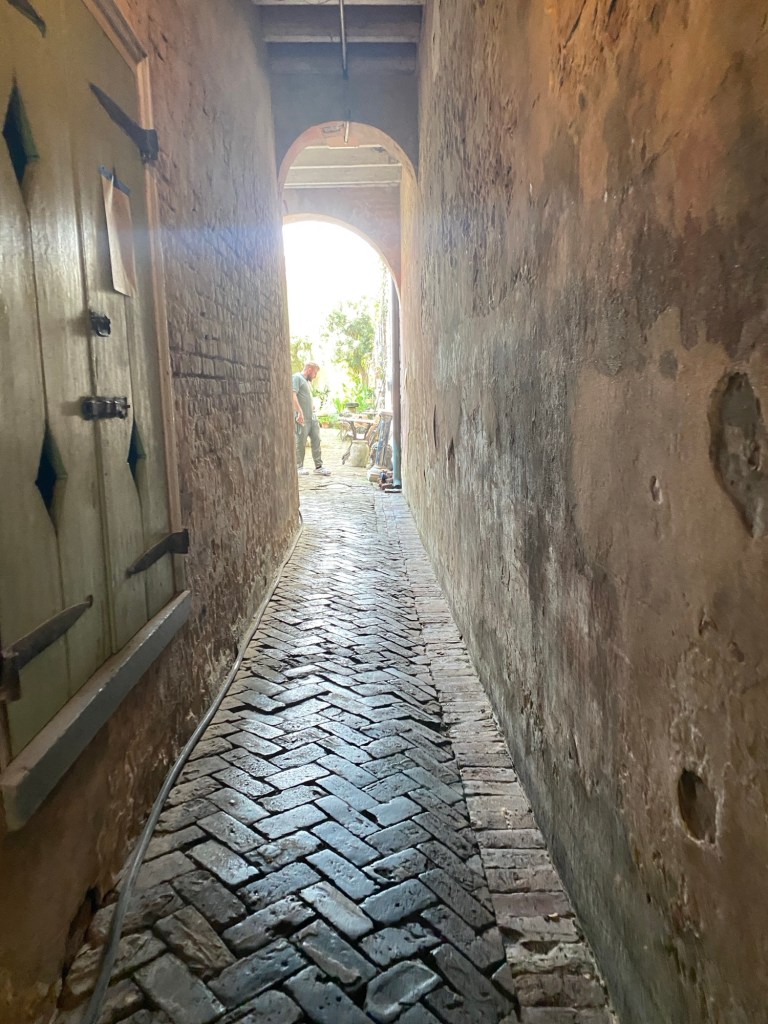
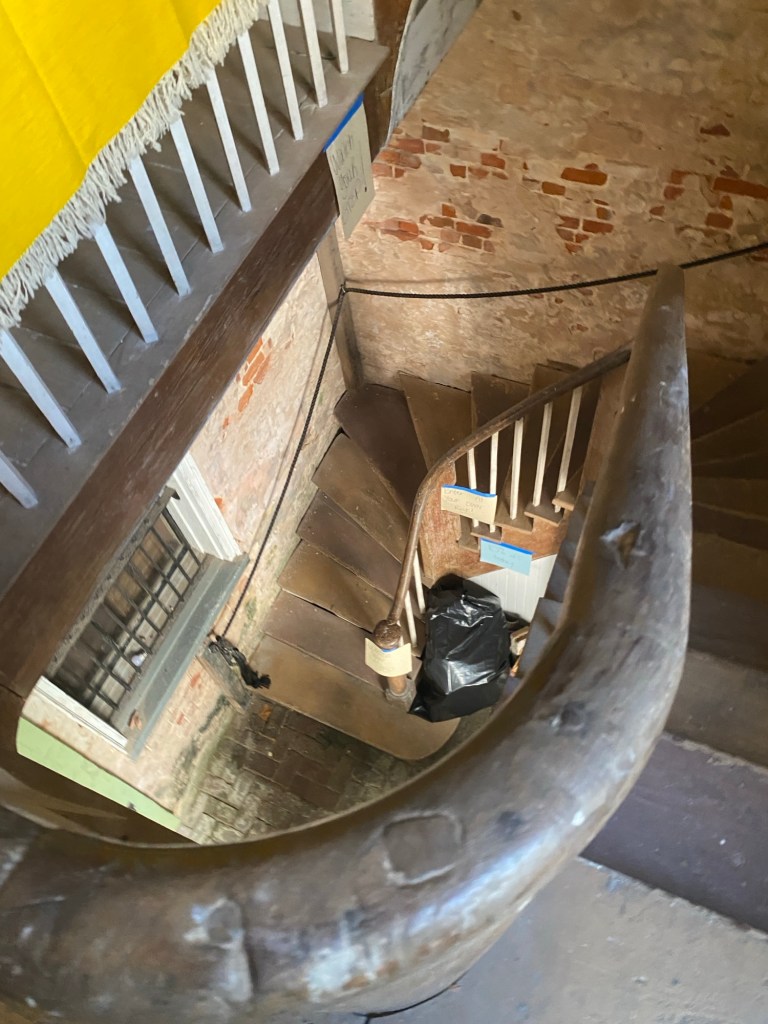
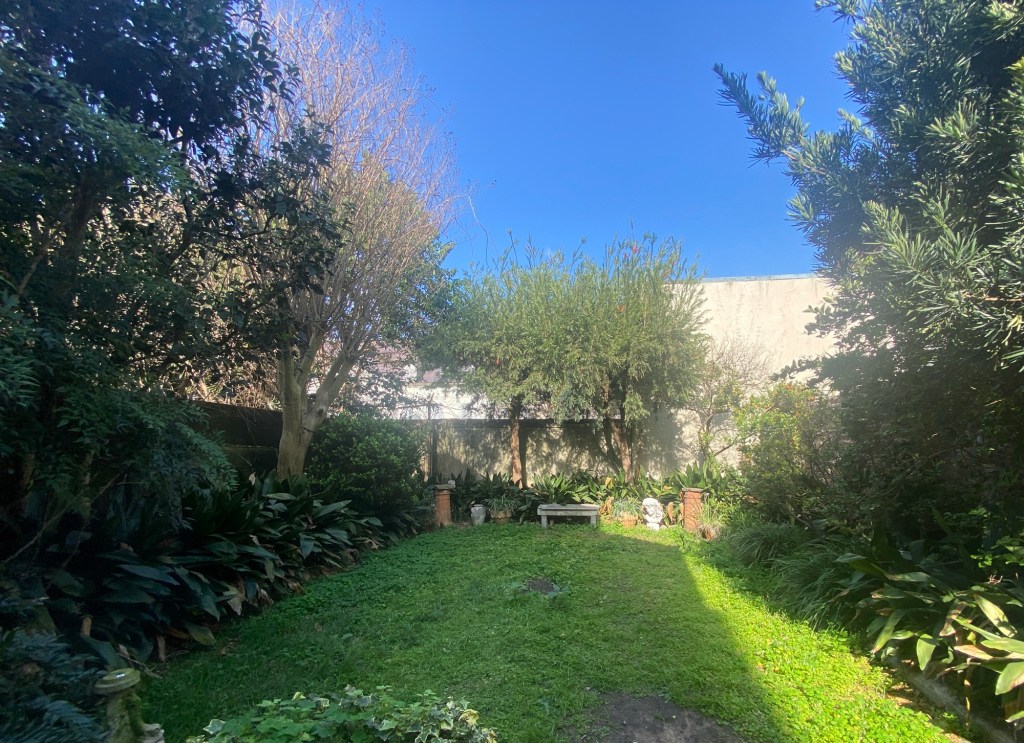
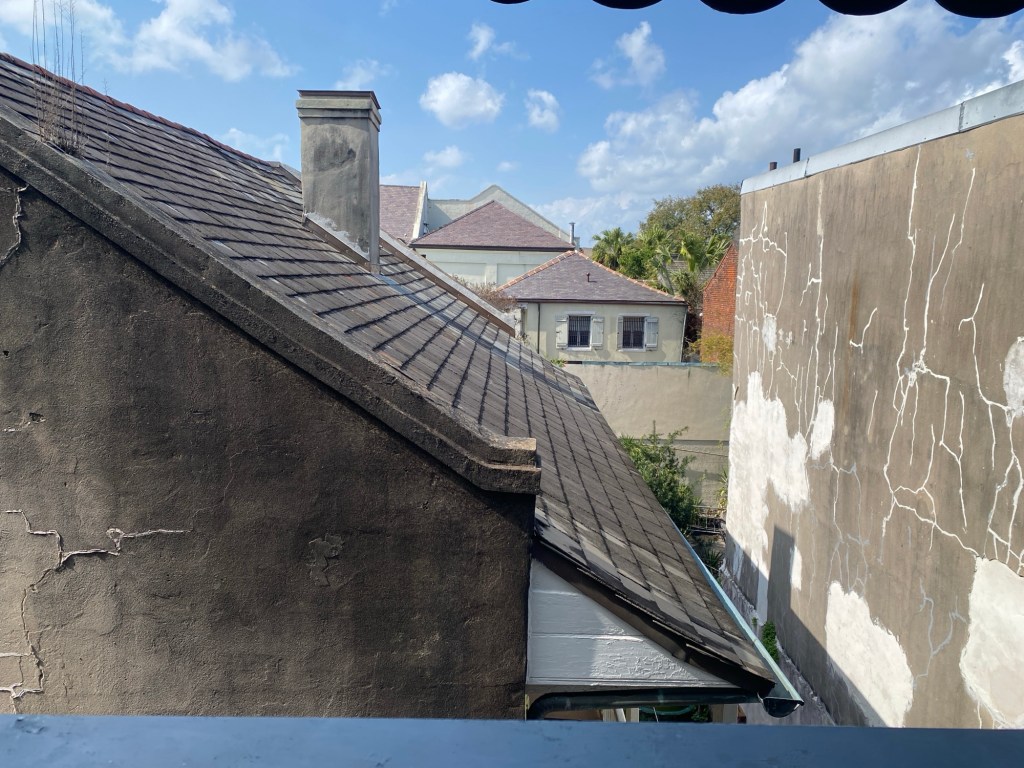
The home had a typical layout for the FQ, although another story higher (and also with a full-sized attic) than those with the same design on most other streets of the FQ. It also has a unusually relaxed green space at its edge (which backs up to the Ursuline Convent museum) and likely means the occupant gets a truly peaceful idyllic outdoor space on a particularly raucous block of Decatur.

5 stages of Carnival parade parking

1.5 hours before: perfect spot! lets go grab a drink!

1 hour before: oh my god this is a great spot! i can’t believe we got it. let’s try to grab a drink before we head to the parade…

30 minutes before: cmon you can squeeze in there! okay everyone grab a couple of beers from the cooler, we’ve got to hurry.

15 minutes before: that car is gonna take our space! dammit.
well we’ll just park over here and walk to the end of the route to catch it. everyone chug because we have to walk fast…

parade starts: i don’t care if that’s a driveway. fuck
them. and just pull right up
to their bumper; they’ve got room in the back. hey, I drank everything while we circled; anyone have anything else to drink?

Entrepreneurial Jackson Square part 2: WPA

I continue to do research on the history of the square in terms of how it has been used and reworked by entrepreneurs, including the Baroness herself.

Last January was my month to dive deeply into the city archives to find new visual clues and records to bring alive the last 170 years of the Upper Pontalba. I was able to review the rental and management documents for the building at the New Orleans Public Library…

I am hoping THIS January I can unlock the key to gaining access to the state archives to be able to research the Lower Pontalba in the same detail.

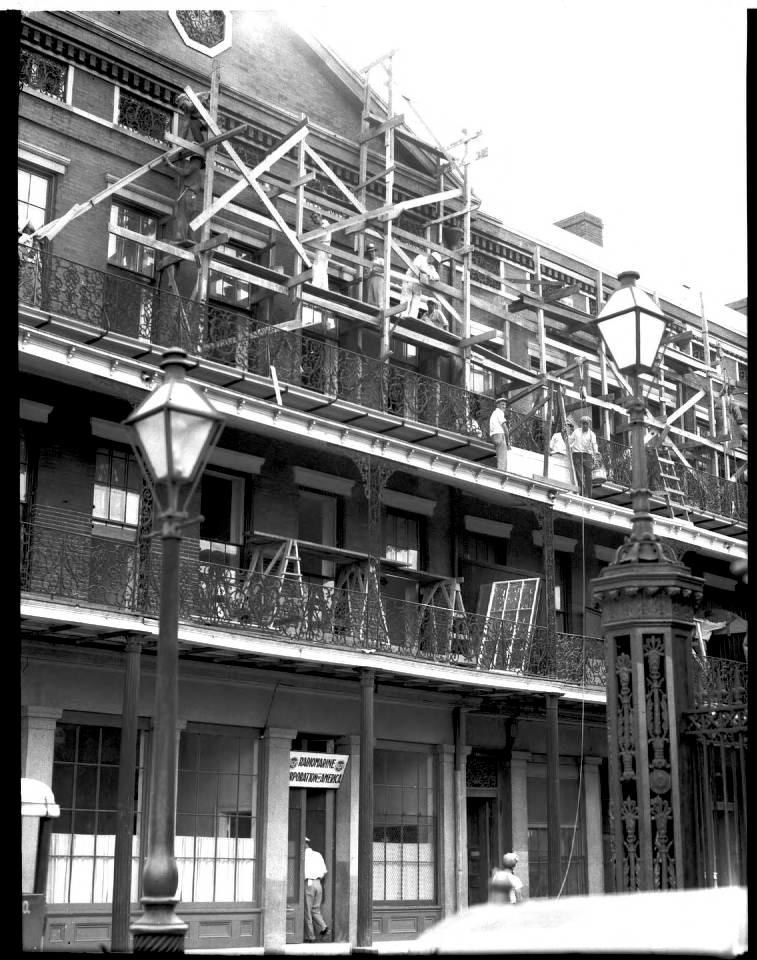
Happy to find a photo of the Works Progress Administration (WPA) era renovation of the buildings as that project had the largest influence on the buildings and the Square in their history- so far.

WPA renovation 1930s of Upper Pontalba. Courtesy of the City Archives Repository

The WPA had an enormous impact on the entire city, and one could argue that it set the table for the population explosion, (which peaked at 627,000 around 1960), and the subsequent media attention that New Orleans had through the post war years,

By most accounts, New Orleans was in the top 5 in terms of completed projects through this Roosevelt administration initiative, most notably City Park where many WPA plaques and motifs can still be seen.

The Pontalbas received about $300,000 in repairs through the WPA, a staggering sum for 2 buildings that had been purchased just a few years earlier by preservationists for (likely) around 1/3 of that cost.

They had been built 80 years before for a total cost of about $330,000 and held by the Pontalba family in France through 3 generations before selling the Upper (St. Peter side) to Alfred Danzinger, Jules D. Dreyfous, and William Runkel in 1920, and the Lower (Saint Ann side) in 1922 to William Radcliffe Irby. Irby bought the Lower building for 68,000 and when he passed in a few years later, deeded it to the Louisiana State Museum.

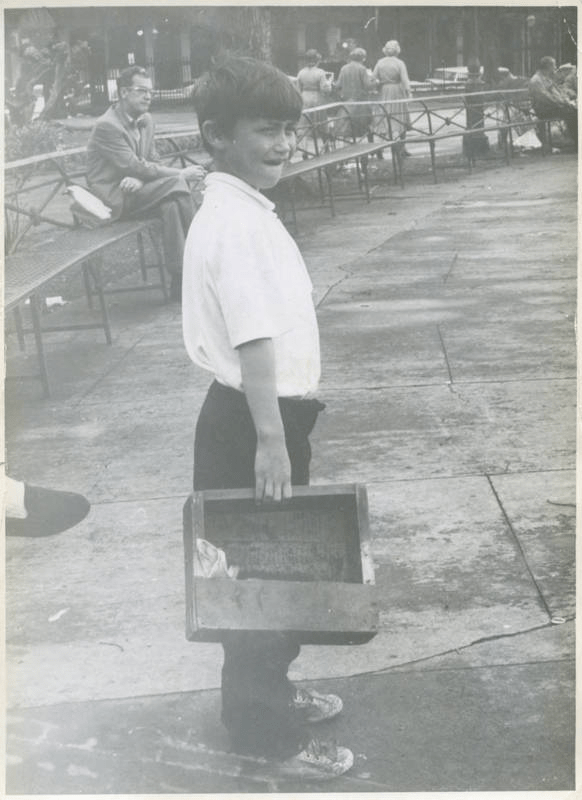
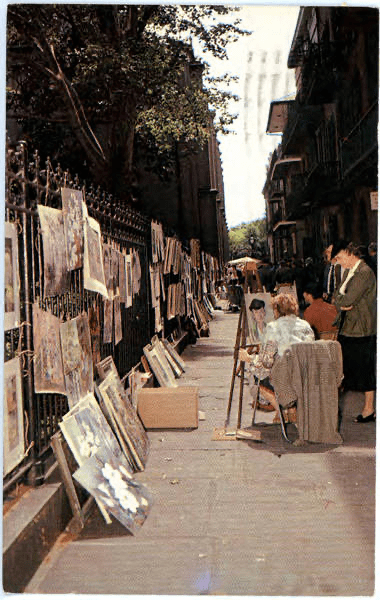
(Historic) Faces of the Square

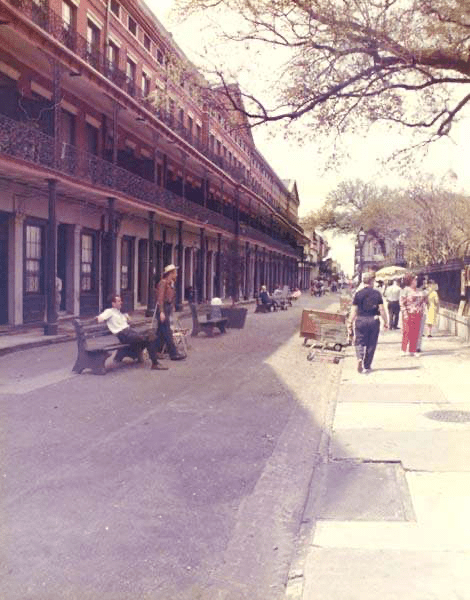
JSE: Before Retail Returned to the Upper Pontalba

Seeing visual clues about how the buildings and the open square have been designed and used and redefined during that 170 years is amazing. This pic was taken right before retail shops returned to the Upper Pontalba. Notice the sash windows on the ground floor! *Notice it is also still a road and not yet made into the permanent pedestrian mall.

1973 courtesy of the Vieux Carre Commission, photographer unknown

The lower Pontalba DID have some retail throughout the 20th century including the 1850 house and Tourist Center, the latter opening in 1965.

The letter to the editor below from the same year that the picture was taken indicates the tension that often arises between preservationists and entrepreneurs:
“The commission’s decision to restore the first floor shops was to bring back to the building and Jackson Square the kind of activity and occupancy originally envisioned by the Baroness Pontalba when she erected these buildings. No ‘tourist’ shops will be allowed. Only shops which will be patronized locally..””

[N.B. Henry M. Krotzer, Jr. was employed by the firm Koch & Wilson.]
— Source: Times-Picayune Author: Henry M. Krotzer, Jr., architect Date: Saturday, April 7th 1973.