Home-grown Fruits and Vegetables Uncommon in Early New Orleans

As someone deeply involved in regional food systems, I am always searching for detailed descriptions of earlier food systems wherever I work. Here in my own region of the Gulf Coast, I often find a common misperception that the level of truck farming found in and around the city in the late 19th century and early 20th centuries (due to the large number of Sicilian and German immigrants) was representative of the agricultural system of the earlier colonial eras. However, most accounts I have read indicate that the port was the entry point for much of the food and drink that the region used and plantations were mostly used for growing and exporting commodity crops from the earliest days until the present day, with market crops quite limited.  Therefore, I was gratified to find this passage in Public Spaces, Private Gardens : A History of Designed Landscapes in New Orleans by Lake Douglas:

“The French botanist and explorer Charles-César Robin (ca. 1750–?) discussed his travels in Louisiana, West Florida, and the West Indies between 1802 and 1806 in his three-volume Voyages dans l’intérieur de la Louisiane … (Paris, 1807):

‘The high cost of labor is reflected in the high price of vegetables in the markets, where fish, game and meat are very cheap, these not being the product of much labor. Vegetables are so rare that sometimes they are lacking altogether. In the spring there are no first fruits, although the cold spells are so transient that with a few precautions one would hardly notice the winter. No one knows anything about seed beds, greenhouses or shelter, nor anything at all about the art of vegetable gardening. In the dry periods of summer there are no lettuces or other leafy vegetables, because no one waters or protects the young plants. Notwithstanding the fact that a person near the city can make six, seven, eight, nine, ten piastres a day from the sale of vegetables, not even these exorbitant prices have stimulated anyone to perfect this branch of agriculture. I have examined several of the large vegetable gardens. They are shameful, not to the slaves who cultivate them; they don’t know any better, but to their masters who hardly bother to oversee work outside of the fields. The expense of slave labor on the one hand prevents the introduction of new products, and, on the other, stunts the ingenuity and industry of the masters themselves’  These observations are obviously those of someone well acquainted with horticulture, cultivation techniques, and agricultural economy. They suggest that, well into the nineteenth century, the community itself was not self-sufficient in growing fruits and vegetables and was still dependent upon external supplies for these needs” (italics added).
French Quarter

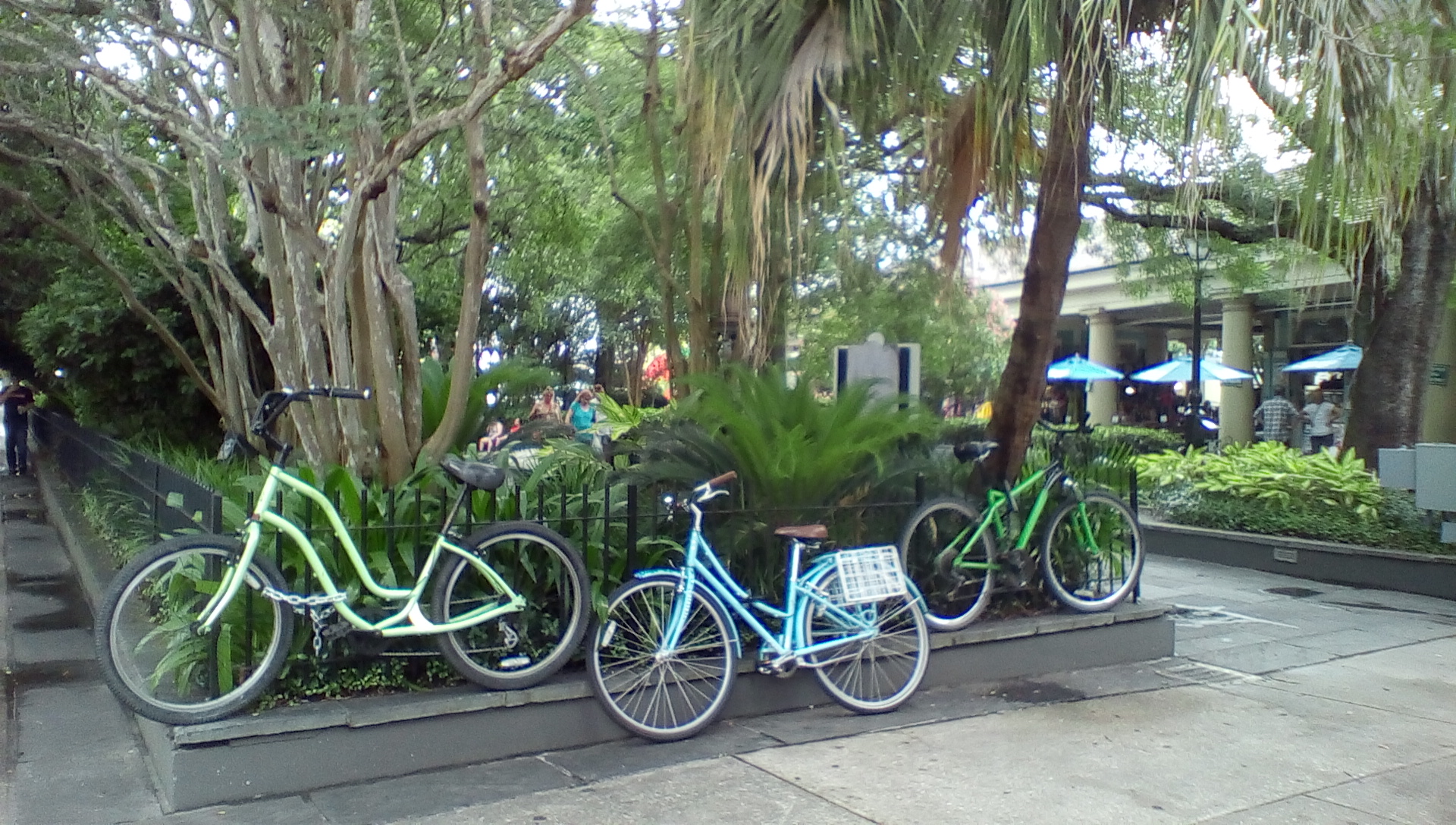
FQBikes@latrobe

bicycles locked at Latrobe Park

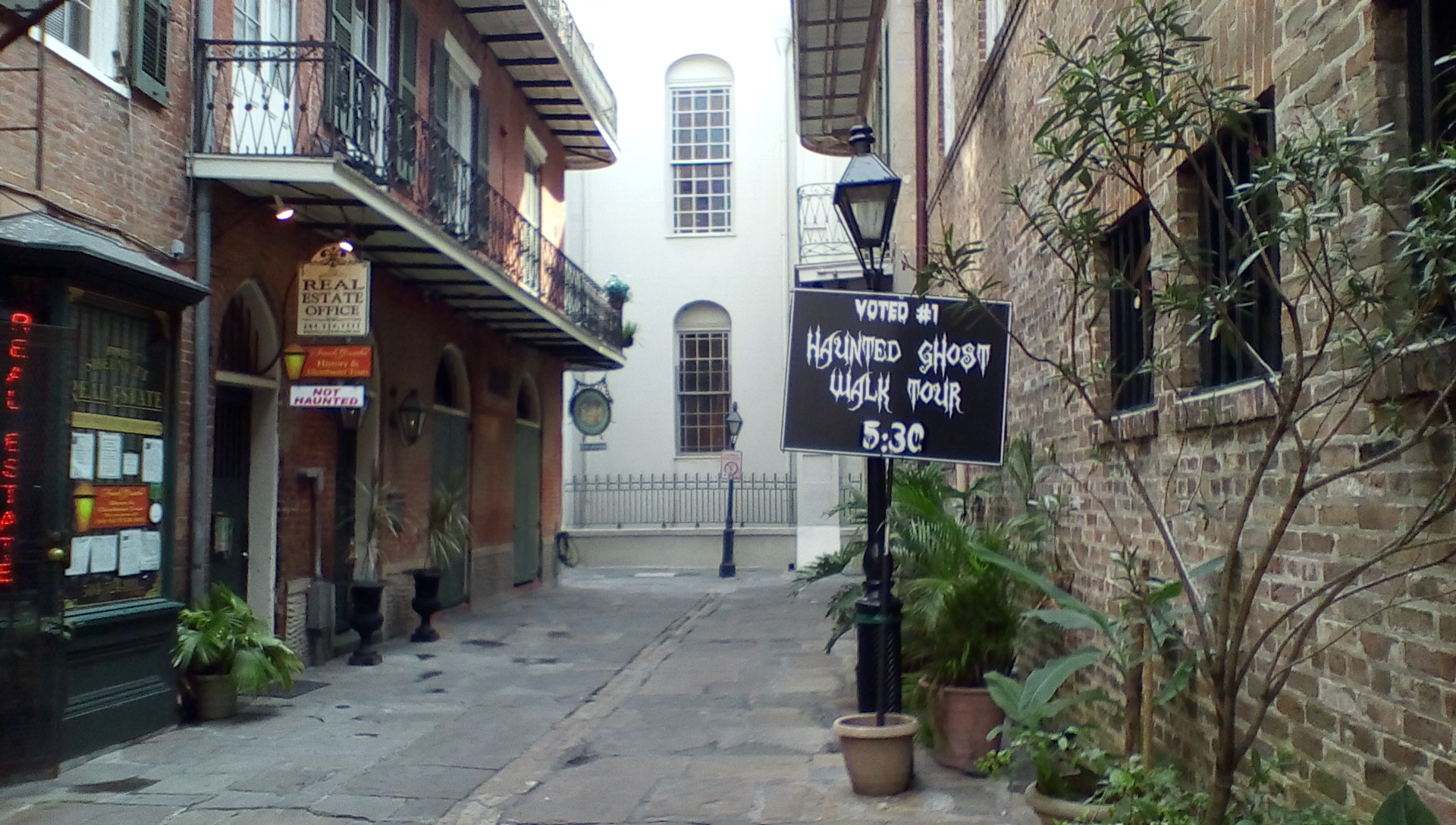
hauntedtours530

haunted alley

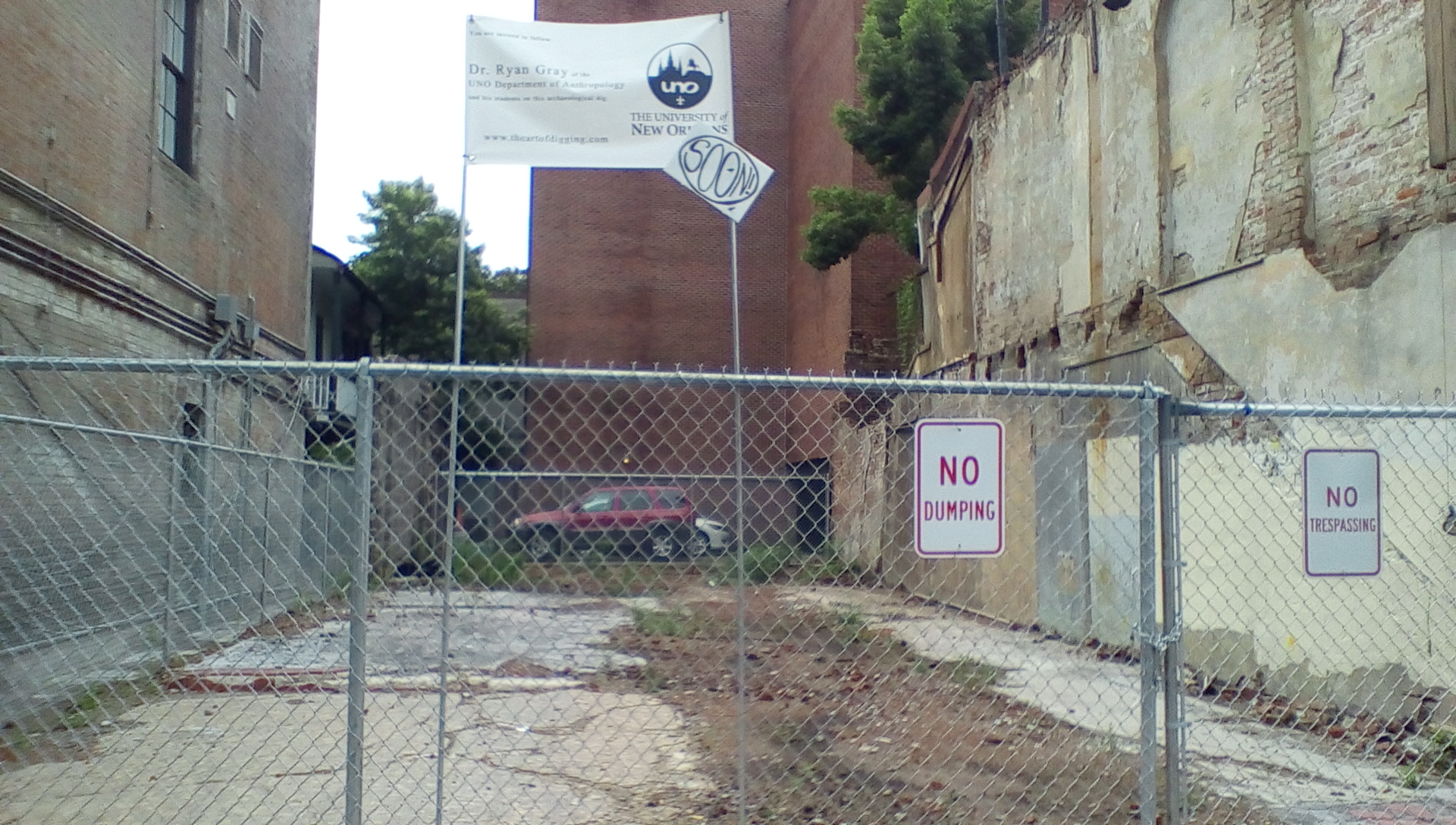
RoyalArchaelogicaldig

Dig about to start on Royal Street

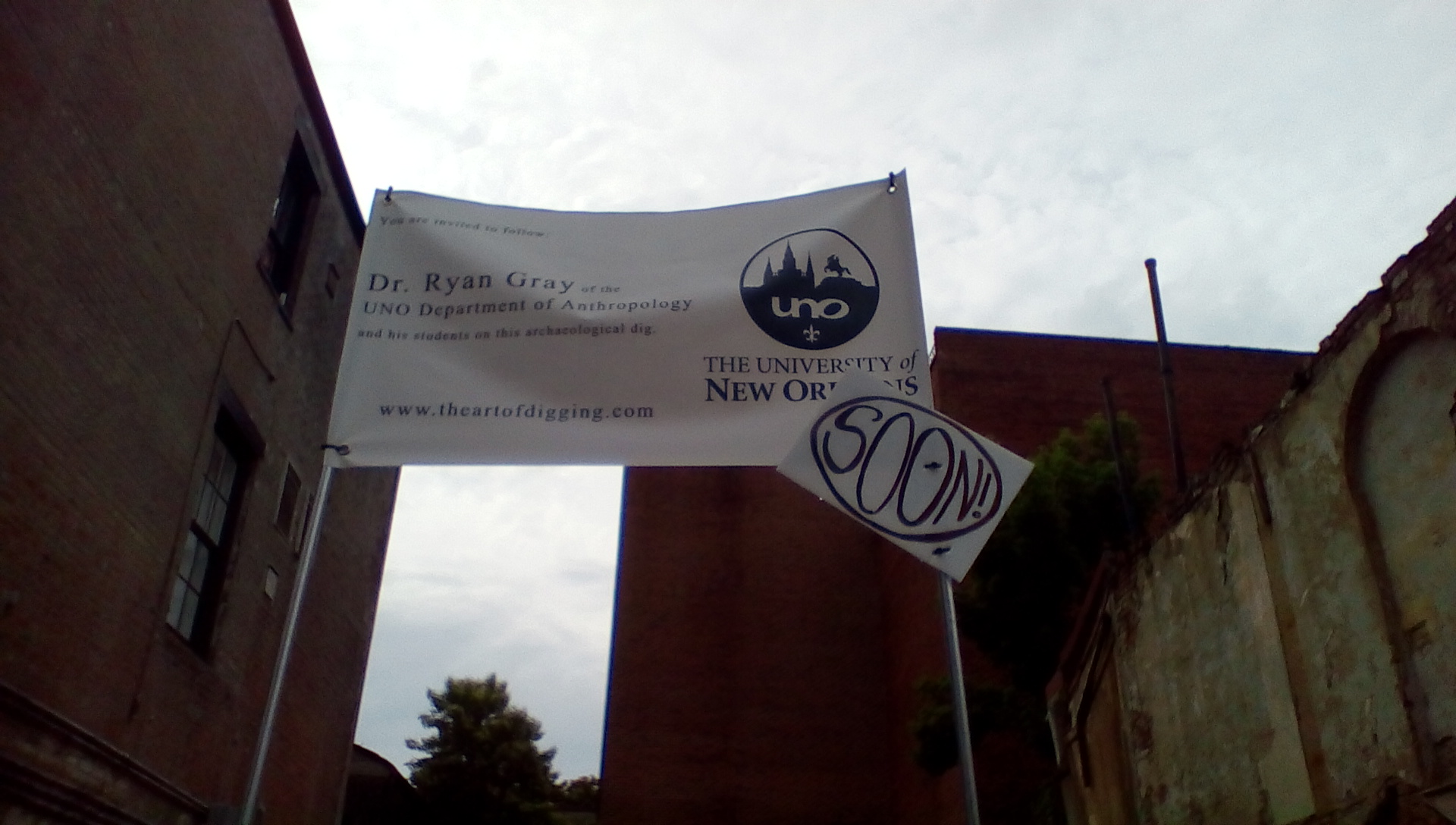
RoyalArchaelogicaldig2

UNO dig at Royal Street

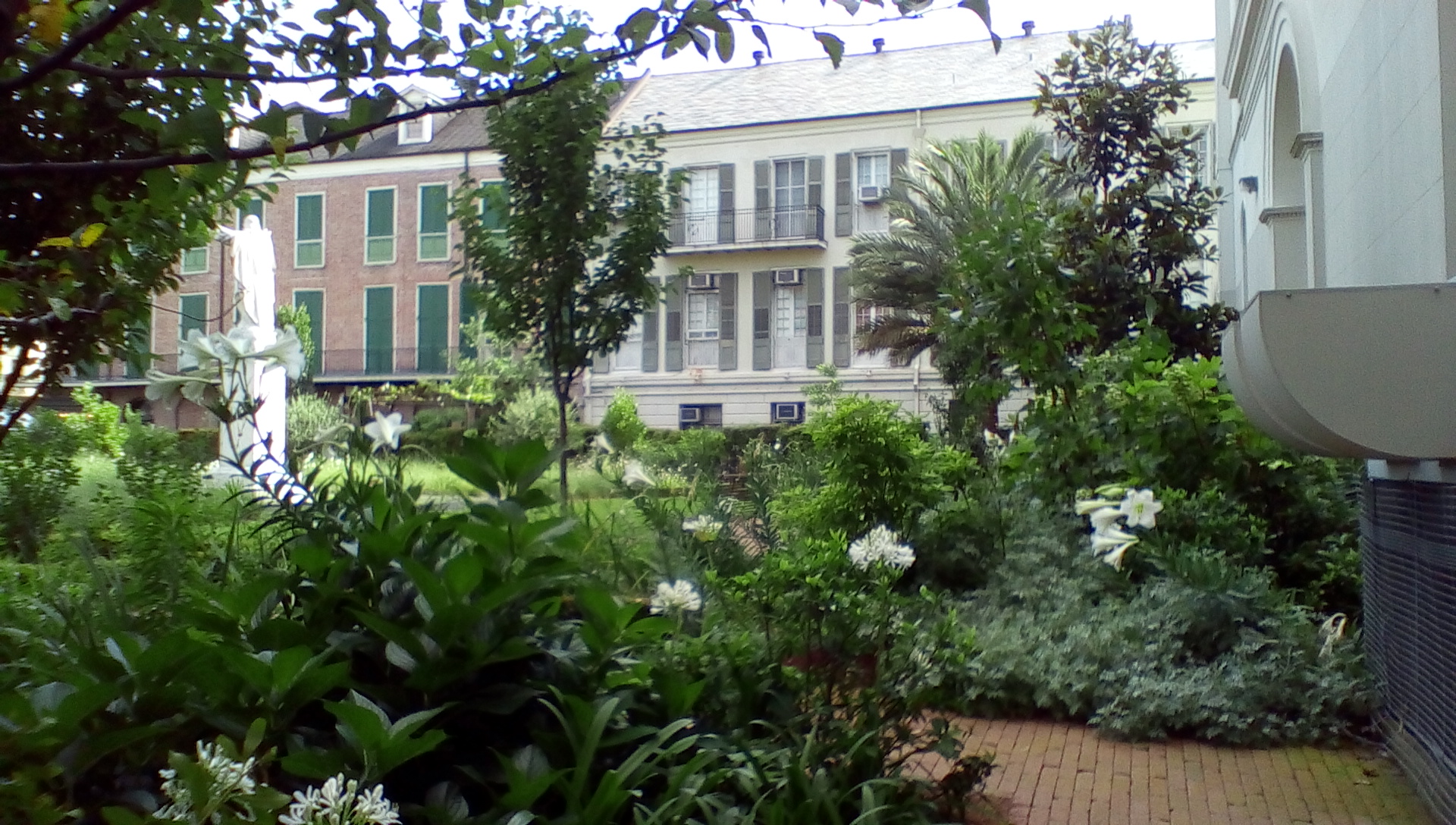
St. Anthony Garden

St. Anthony’s Garden

UrsulinesBuilding_kindlephoto-1044909

Ursulines between Royal and Chartres

Louisiana Himalaya Association update on Nepal

Since our last LHA email update on Nepal a lot has happened including a second earthquake, which I’m sure most of you are current on. Unfortunately two of the places where LHA has been previously involved in Nepal, which were not affected by the first quake, had severe damage from the second one. Still to date, miraculously, no physical bodily injury to any LHA affiliates or their families has been reported, although many have lost their homes and/or have had severe damage to the monasteries where they live. Most up to date research shows more than 7000 deaths and hundreds of thousands of victims are in need of food, water, medicine, shelter, rehousing.

After a careful review of the aid already happening in Nepal we have discovered that the people LHA should focus on are those in the most remote mountain villages. Many of these people (maybe up to a million) will be in tents and makeshift structures for the monsoon and only able to really rebuild once the rain slows in September.  They have to stay in the mountains in order to tend the rice crops.  Getting the crops grown over the summer will be crucial to their survival.  The monsoon can be very cold in the mountains.  Unfortunately the Nepali government is not able to take care of everyone in a timely way. They need our help.

From our experience of seeing the massive amounts of waste in the aftermath of Katrina we have identified some forms of temporary housing materials that can be used in Nepal as roofing before more permanent housing structures get underway.  Here is one example of materials that LHA is providing that will serve as shelter now and will be used for roofing material later:   http://www.channelnewsasia.com/news/asiapacific/nepal-quake-temporary/1849134.html

What is LHA Doing Now:

LHA now has people both in India and Nepal.  We are shopping for the best deals and buying supplies  including sheet metal , tarps , rain gear and rice in Delhi and having them trucked to Kathmandu Nepal (a two day road trip) where our volunteers there will assure that the supplies get to the people in need, the first truck in in route now.

LHA’s main Coordinator in Nepal is Pema. She is from there and is the fiancée of Michael, an LHA Board member from New Orleans who has worked extensively in Nepal, and is now in India organizing the shipments.  We’ll have more volunteers arriving in both India and Nepal over the next few weeks. Please see the attached letter recently received from Pema.

We have also identified Chokgyur Lingpa Foundation to be the organization with which LHA will partner in the days ahead. Pachok Rinpoche, who leads this effort, has visited LHA in New Orleans three times over the past few years and has a strong connection with LHA already. He and his team have been on the ground working since day one after the first quake. All reports I’ve received say that they are doing incredible work in a very organized and efficient way. Please take a minuet to check out the websitehttp://earthquakerelief.cglf.org/

What’s happening in New Orleans:

In New Orleans, volunteers now meet at the LHA Community Center  (623 N Rendon) every Tuesday night at 7PM to discuss fund raising events and other plans.  As of now the group has received confirmation from both the Botanical Gardens at City Park and Tipitina’s Club to hold fund raising events in June. LHA now has volunteers and groups as far away as Norway and Germany putting together events and many individual donors have started showing support by making contributions to the LHA website.

How to Help :

Come to the LHA Nepal Relief Meetings on TuesdayNights at 7PM

Organize a fund raising event in your home area

Here are a few ideas for fund raising: http://earthquakerelief.cglf.org/how-to-help/

Send this email on to your email lists

Spread awareness about the Nepal situation in any way can

Make a donation to LHA, the Chokgyur Lingpa Foundation or other organizations with minimal overhead costs ( make sure you get maximum benefit out of  your donation)

Prayers and dedication of merit

Thanks for your support

Neil Guidry

LHA President

—————————————————————–

For Donations to LHA :    http://www.lhainfo.org/donate.html

Every Dollar goes a long way:

$1400- Full truck load of Rice

$100 – Sheet metal to construct shelter for a family and later use as a roof on their home

$50  – Tent

$15 – Tarp

$5 – Rain Pancho

 100% of donations received by LHA during the month of May will be dedicated to the Nepal projects. Please note, unlike many organizations, LHA is not burdened by managerial and other overhead expenses. Know that your donation directly gets to those in need.

LHA is a 501-c3 Organization – tax ID # 72-1487498 (all donations are tax deductible)

LHA  www.lhainfo.org

Excerpts from A Field Guide To Trees- Bill Lavender

the night’s young
you’re not

bark
that sensuous brown surface
it grows on trees and barroom walls

compared to this
the passing of the body is nothing

what happens when humanity finally boils

things I imagine saying to the tree
just go

the tree that represents itself has a fool for a client