A very good description and some simple rules for revitalizing public shed markets written by a Baltimore architect. He focuses his attention on the Lexington Market (which I have visited when in the area for farmers market business) that he seems to work near enough to observe regularly. I remember on my visits being impressed by the vitality of this market even though the quality and quantity of healthy goods seemed low. I actually still think about this market regularly, because it was a particular kind of anachronism that reminded me of visiting the old West Side Market in Cleveland in the 1960s/1970s; in other words, it still seems exactly like those dark and chaotic largely forgotten shed markets that were sprinkled throughout many American cities back in the mid 20th century. He points out that Lexington already has regular shoppers and acts as a food hub in what is largely a food desert, which is a significant point. It’s interesting that he seems to think that finding ways to attract tourists is one key to making this market really work, which may or may not be true in my estimation. I’ll leave that discussion for another time and post.
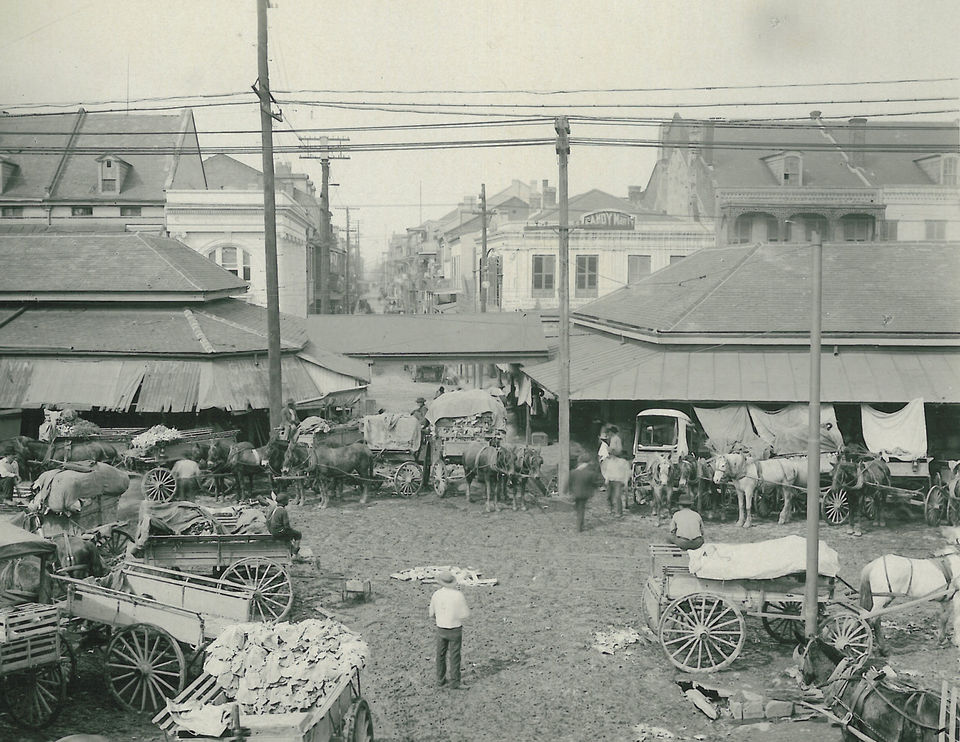
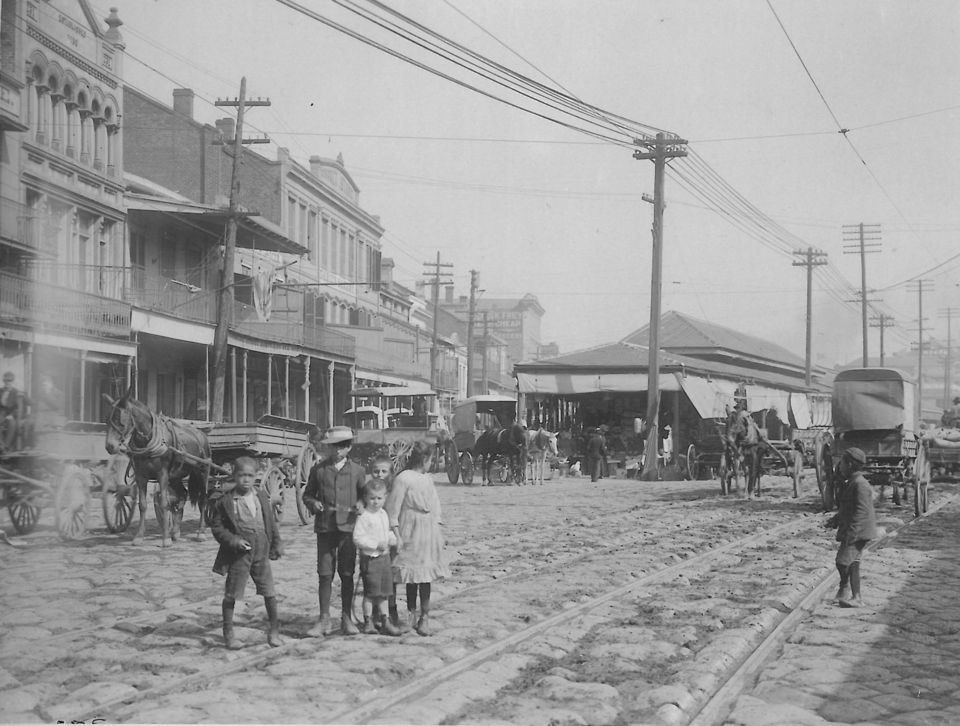
In any case, as pointed out by the author, the attention paid recently to many of these markets has often led to one of two outcomes: either successfully engineered spaces full of event activities and local color/products, filled regularly with proud residents on the weekends and eager tourists during the week, OR badly re-designed ones with ridiculous lighting and signage telling us of their authenticity with wide empty aisles and too much of one thing. Unfortunately, the French Market (especially after its hot mess of recent equally overdone and underdone renovations) is more of the second with chunks of the Lexington Market’s structural and place-based issues to solve, but I do believe that it is due for its renaissance. However, it has always seemed to me that the job of French Market director may require someone with the letter “S” on his or her undershirt. Last time I checked, I believe that the job included: maintaining a significant number of historical buildings for the city, being landlord to the uptown side of the Pontalba building/apartments, overseeing the anarchistic artist and reader colony space in Jackson Square, recruiting and serving the permanent storefront tenants from Jackson Square to Ursuline, and creating and managing events constantly. Ad oh yeah- somehow revitalize the 2 open shed markets at the Barracks end so that locals will come too. Honestly, having watched the last few eras of FM leadership closely, it seems that these open sheds take up 75% of the time and goodwill in that job, while supplying little of the income. What must be understood by the FM board and city officials is that these sheds are now difficult to access for most downtown residents, especially with no quality public transportation. And now with the management of the linear Crescent Park also on their to-do list, I’d say that the sheds and the park are one big problem all on their own, but also the most likely path to winning the hearts and minds of locals and savvy tourists too.
In addition, the massive size and varied uses of the French Market district presents a very different set of spatial problems and possible solutions than what was possible for the small D.C. Eastern or even its slightly more appropriate D.C. sister, the newly fabulous Union Market or any number of others that I or others have visited in the last two decades. The bad history of the last 40 years at the French Market has also meant that people actually have a negative perception, not just a neutral perception of this space and working on those sheds a little at a time is too little to change that to positive. The very serious lack of nearby farm production also needs to be acknowledged and means that simply signaling that local goods are welcome to be sold will not be enough to have enough on hand. And lastly, what to do with the dozens and dozens of vendors who exist there presently? Incentivize a product change or focus on encouraging them to move on to storefronts to make way for new ideas?
One can compare the French Market to the St. Roch Market to see how different their outcomes and the work to make it so. And yet, even with the small footprint and limited uses needed for St. Roch, look how many millions the city had to spend and how much time it has taken to just get to someone leasing it, much less actually successfully filling it with dynamic retail operator, and still, no grocery or low-income component.
from the original post:
Consultants, of course, also aim at the currently totally un-yuppified food selections, in which each baker (there are seven) has the same yellow cakes smothered in colorful oily frostings, and where there is more fried food than exotic fruit. But here, too, lingers the danger of eliminating the authentic Baltimore grit, with specialties like pigs’ feet, freshly cut veal liver (“baby beef”) that can only be had here or in some of the Asian supermarkets out in the County. Most famously and maybe most Baltimore, of course, is Faidley’s, with its seafood, oysters and crabs and, most importantly, the Baltimore crab-cakes, which are shipped on demand nationwide.
Discussions about the Lexington Market quickly touch nerves, depending on with whom one speaks, because the market serves various needs and maybe evokes even more aspirations. There are those who love its gruff authenticity and old fashioned food choices, there are those who use the market for their daily shopping because adjacent neighborhoods to the west have scarcely any stores, and then there is a growing number of people who think that the market surely doesn’t live up to its potential and needs a major re-set. Community Architect: The Future of Public Markets and the Case of the Lexington Market in Baltimore.

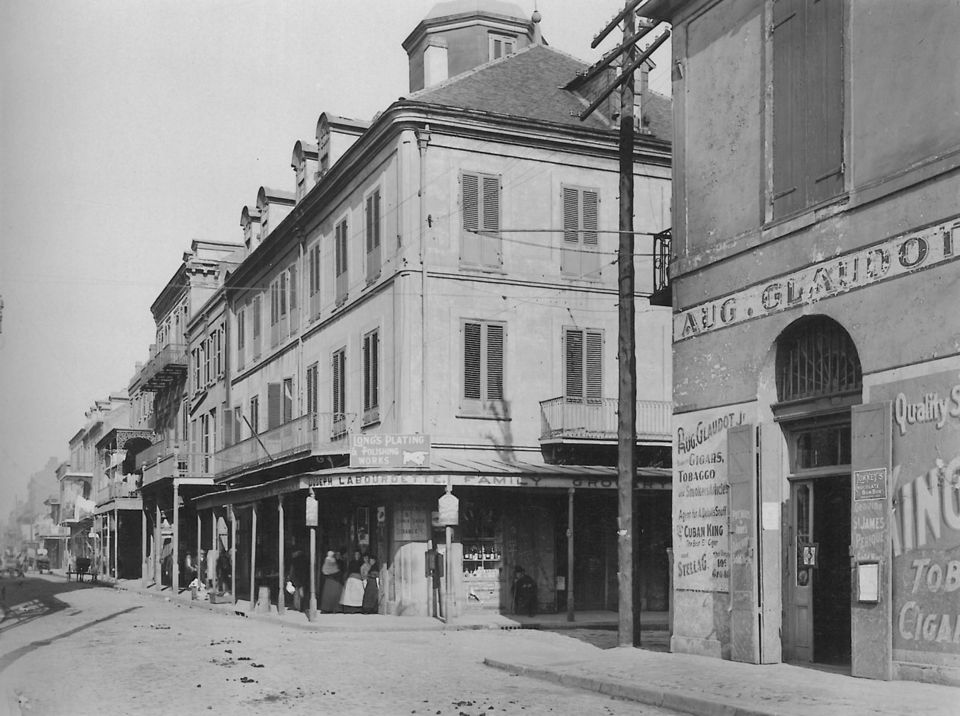

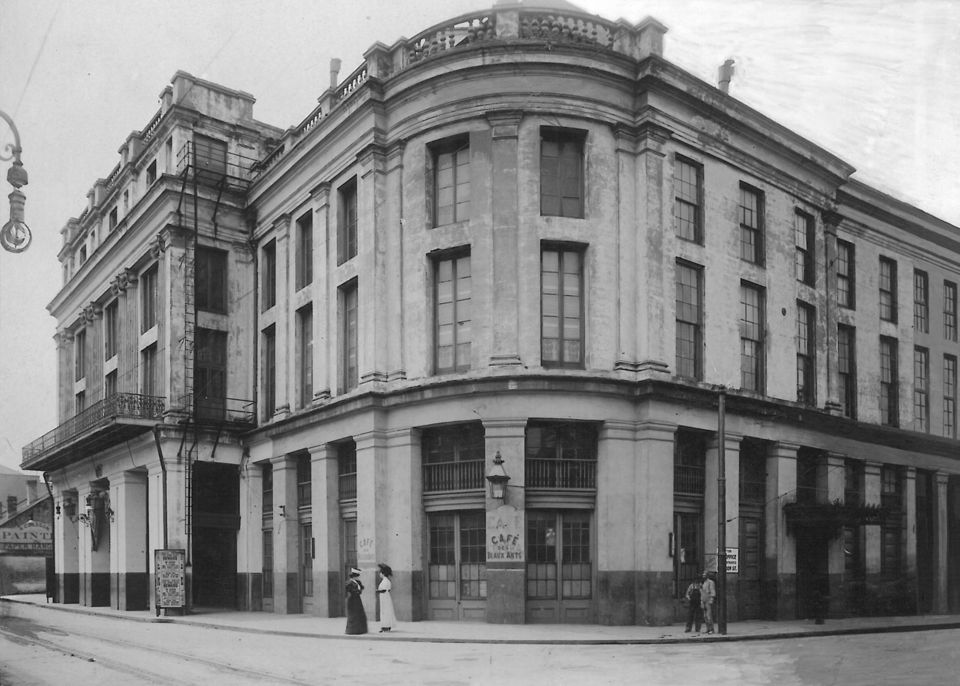
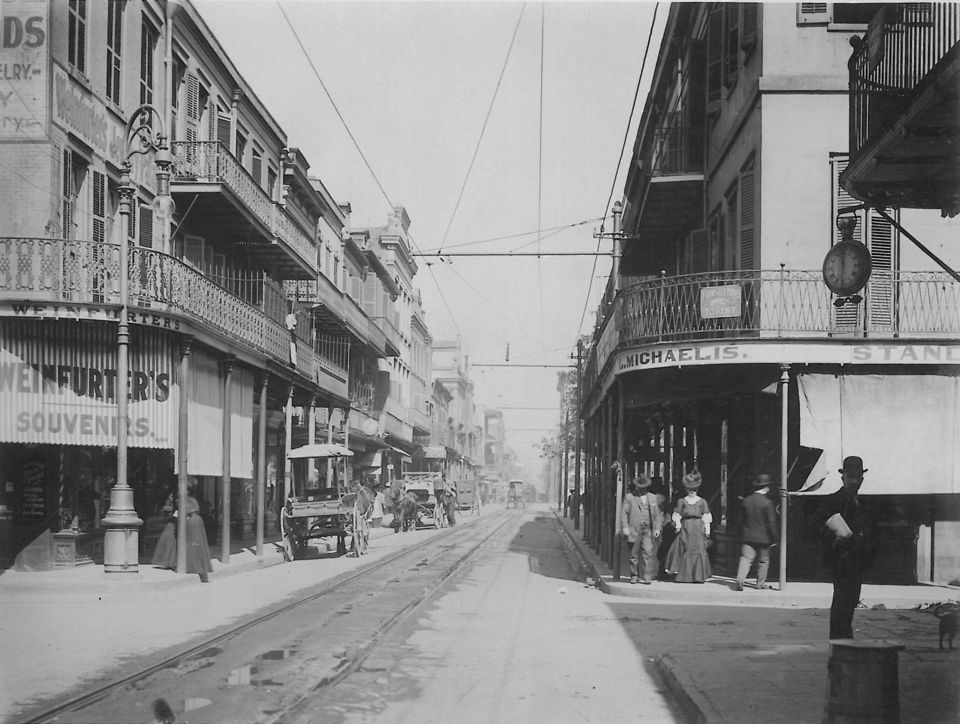
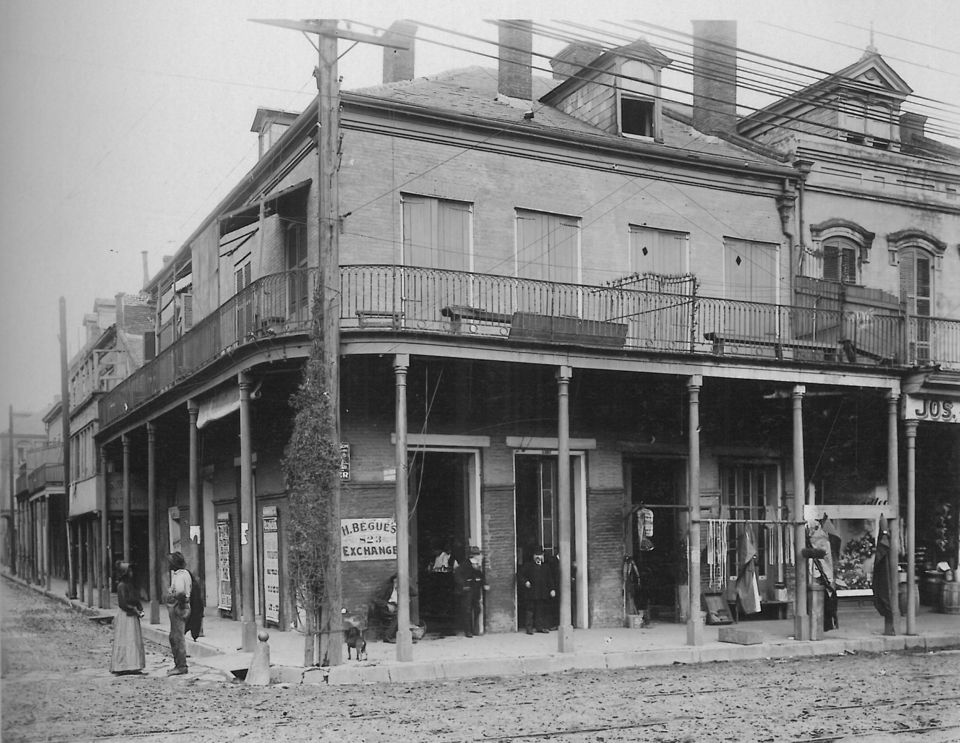

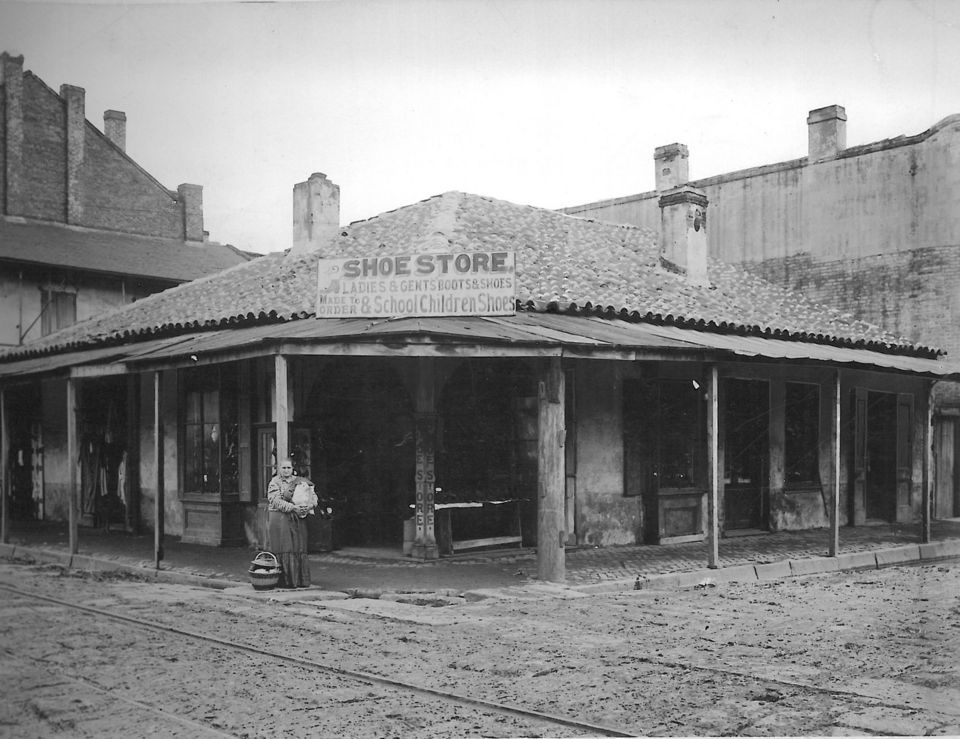
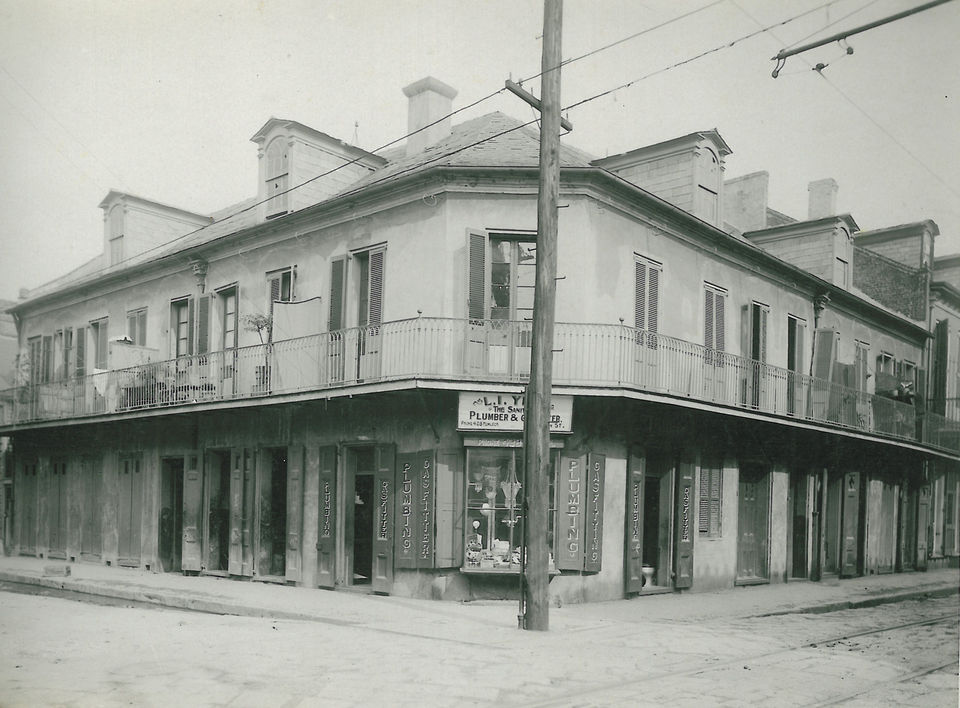
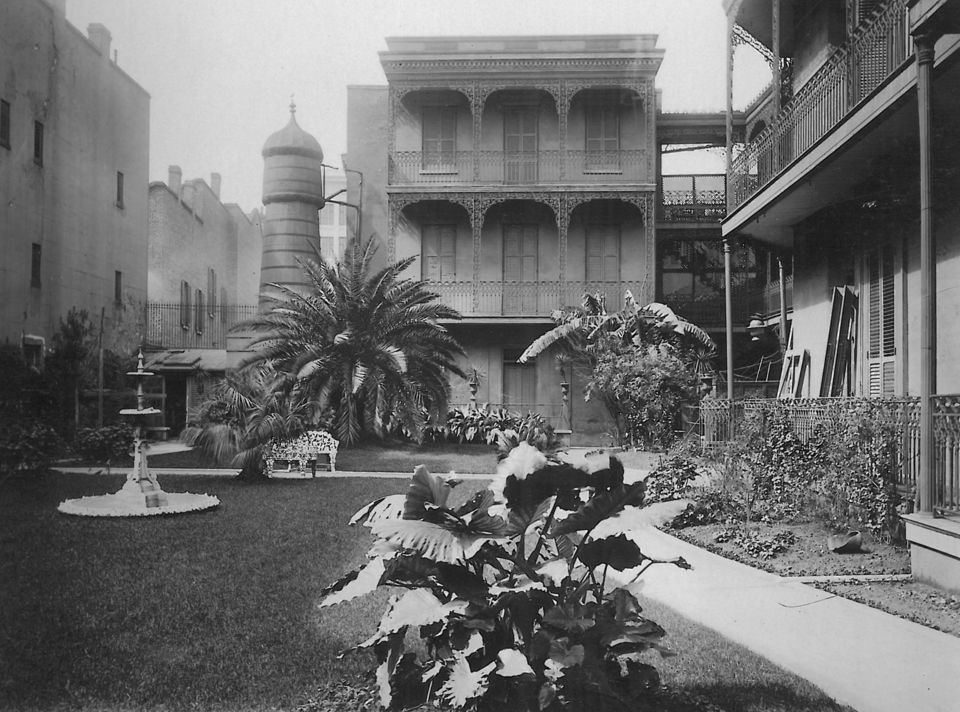
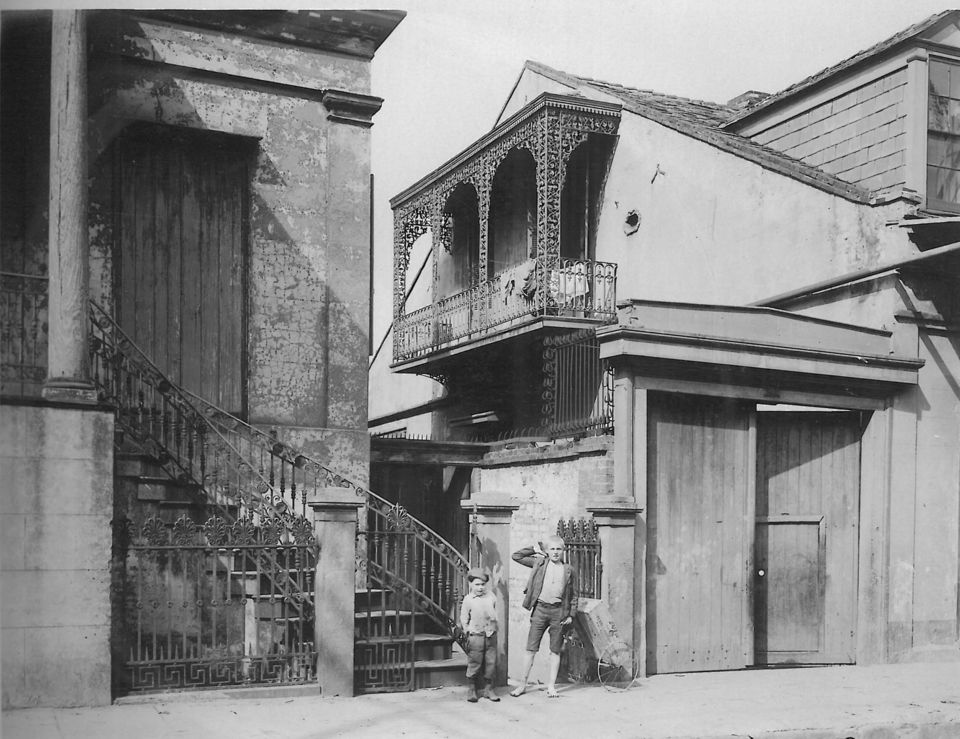

 French Quarter block by block
You must be logged in to post a comment.