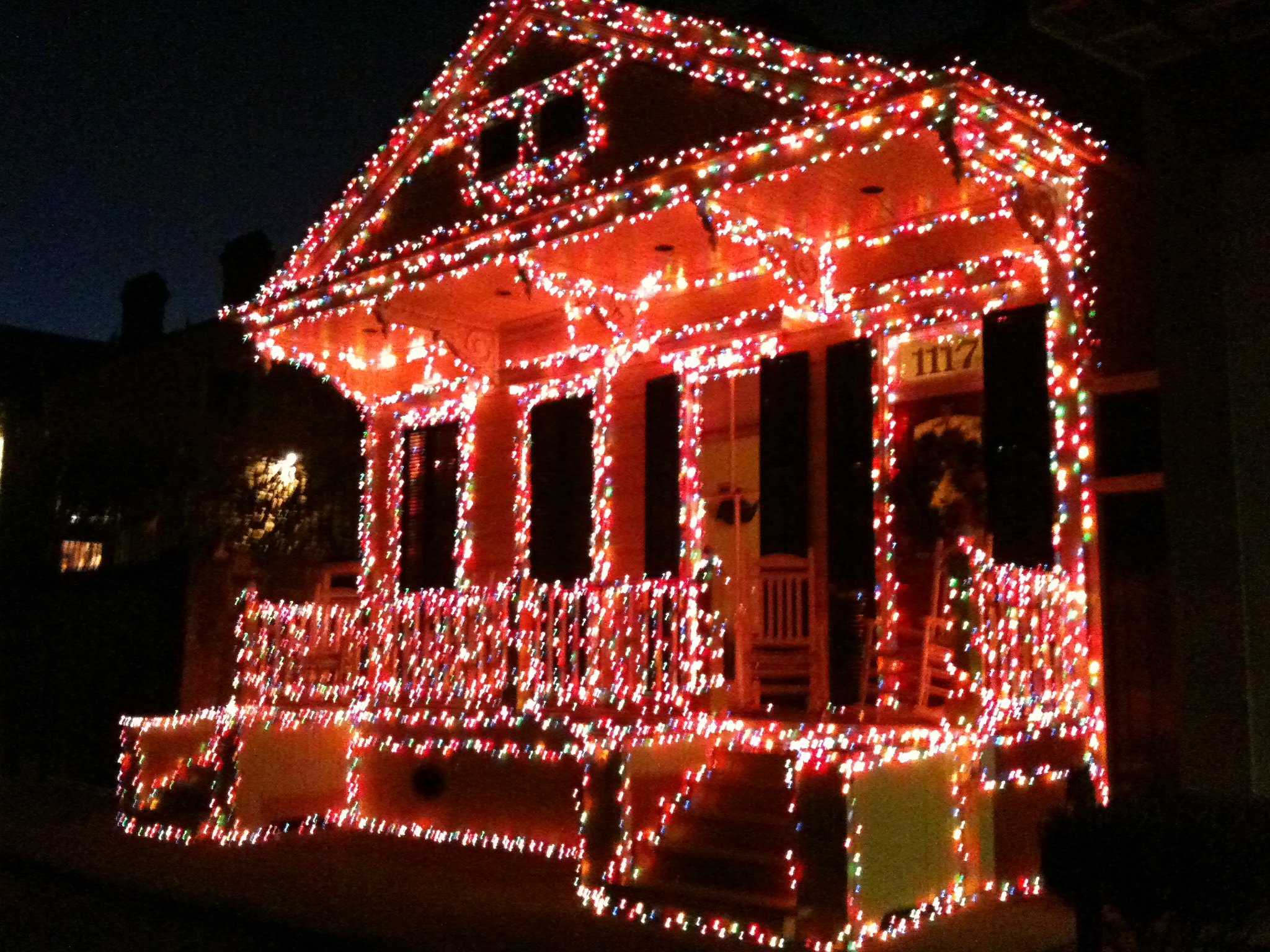
Village. Town. Phalanx. Skyscraper Condemnation Affiliate. All of the above.

As of the census of 2000, there were 4,176 people, 2,908 households, and 509 families residing in the French Quarter.
Social theorist Charles Fourier (1820s) •”We are amazed when we calculate the benefits which would result from a union of 1600-1800 persons occupying a vast and elegant edifice in which they would find apartments of various sizes, tables at different prices, varied occupations and everything that can abridge, facilitate and give a charm to labor. . .The Phalanx will produce an amount of wealth tenfold greater then the present. The system allows for a multitude of economies of operations and sales which will increase the return enormously. . .The officers are chosen from among the experienced and skillful members–men, women and children, each elected from the members of the Phalanx. . .By means of short industrial sessions everyone will be enabled to take part in seven or eight different attractions with industry not now done, and will eliminate discord of all kinds. A refinement of taste will be cultivated. Minute division of labor will increase production and lower costs. It requires a tract of land three miles square, well-watered, flanked by a forest. The personal and real estate of the Phalanx will be represented by stock divided into shares. Each Phalanx will engage in both agriculture and industry. ”

•The soul of India lives in its villages”, declared M. K. Gandhi

•Village life, Miss Marple maintains, has taught her everything about the vicissitudes of human behavior.

Medieval villages and towns:
Villages range from 20 to 1,000 people, with typical villages ranging from 50-300. Most kingdoms will have thousands of them. Villages are agrarian communities within the safe folds of civilization. They provide the basic source of food and land-stability in a feudal system. Usually, a village that supports orchards (instead of grainfields) is called a “hamlet.” Occasionally, game writers use the term to apply to a very small village, regardless of what food it produces.
Towns range in population from 1,000-8,000 people, with typical values somewhere around 2,500. Cities and towns tend to have walls only if they are frequently threatened.

•Excerpt from “The Village Green Preservation Society” (from The Kinks Are The Village Green Preservation Society, Ray Davies writer):
We are the Office Block Persecution Affinity
God save little shops, china cups and virginity
We are the Skyscraper Condemnation Affiliate
God save tudor houses, antique tables and billiards
Preserving the old ways from being abused
Protecting the new ways for me and for you
What more can we do
God save the Village Green.

I would say that if the village perishes India will perish too. India will be no more India. Her own mission in the world will get lost. The revival of the village is possible only when it is no more exploited. Industrialization on a mass scale will necessarily lead to passive or active exploitation of the villagers as the problems of competition and marketing come in. Therefore we have to concentrate on the village being self-contained, manufacturing mainly for use. Provided this character of the village industry is maintained, there would be no objection to villagers using even the modern machines and tools that they can make and can afford to use. Only they should not be used as a means of exploitation of others. Gandhi

Eyecatching

Link to Bergen article

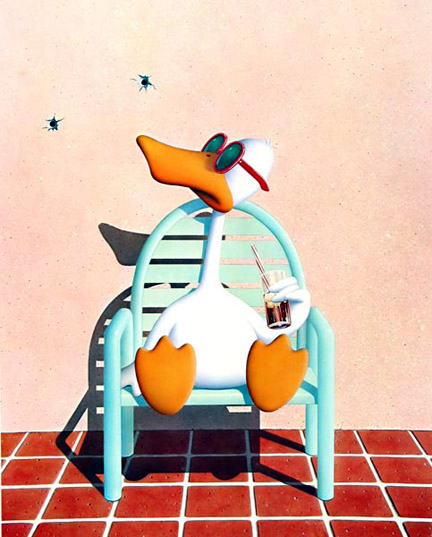
T-P writer Doug MacCash has written another charming piece about New Orleans, a bit removed from his usual art critic duties. He interviewed Margarita Bergen, a FQ fixture, ostensibly to talk about her love of champagne for the New Year’s Day edition, but every story with her is fascinating to read. The Bergen shop was one of the best (well-managed and well stocked) frame and poster shops in the Quarter throughout the 80s and 90s, closing around 2000 I think. This was during the heyday of poster sales in New Orleans, when it seemed a multitude of young drifters were framing in the back of every shop to support their drinking habits while clerks in front sold hundreds of posters of  misty  streetcars to tourists. Many mortgages were made on Jazz Fest poster sales alone; based on their windows, the Bergens did a brisk business on the Sitting Duck series for far longer than anyone else. (Now they have a shop on Decatur with my old Royal Street gallery boss, Casell.)

Cash cow poster series

Bergen article

lovely paper

I have been roaming the FQ over the last few days, off from work for a week and with a car at my disposal. Car rented from the nice Hertz people at the Omni Hotel at Royal and St. Louis-well in the garage on the Chartres side. (It’s the only car rental counter in the FQ, and has nice staff who chat about all types of things with you although I DO wish Mr. Hertz would staff it everyday and stop being forgetful about taking the gas up fee off, but other than that, hurrah for all of the Hertz family and that does include little Hal Hertz and even Minnie Hertz who is still a bit whiny.) The car means Maddie the Cartoon Dog gets to come along and take a perambulation along her streets, happily poking her head in shops and smelling people’s shoes.
Between parking successfully and taking advantage of Golden Lantern’s drink prices, one of the things I have indulged in recently-while on my 2-3 trips to FQ-is paper.
Oh I love paper. I love to write notes or to send letters or to drop a card with some satsumas to someone’s door before they come home, so they can find it after (maybe) a bad day or just a ho-hum day.
This may be the only true manner that my Southern mother drilled in me. Well, I do say yes ma’am to older women and could curtsey still but since I haven’t had a dress on since the 1990s, it’s a lost art in my repertoire.
And you would think I had lovely penmanship they way I go on, but no, I lost that early in life and substituted nothing in its place. Maybe the beautiful paper is to make up for that loss.
So, paper. I almost always buy some beautiful cards at Nadine Blake’s on Royal. Her store is lovely, she and her “staff” both. And to have a store that takes serious care and delight with their window displays is a treat to those of us who remember the days of many of those type of store owners throughout the Quarter. There I buy greenery tropical cards, drinking quote cards, single funny birthday cards and the last time I bought a silver crescent moon that I when I returned home I immediately hung on the end of my ceiling fan pull chain.
After spending hour(s) there, I usually walk 2 blocks to the corner of Dumaine and Royal to my Florentine paper supply place, Papier Plume. Yes, Italian paper. I went to Florence in 2008 and was dazzled by the many, many things that Italian artisans still make. Paper, leather goods, textiles, cars, scooters, coffee makers, long underwear- the list goes on and on.
I bought paper while there and used it so sparingly because when would I be able to return for more? Then one day, I saw the same design through a window in my hometown and walked inside this magic place. Papier Plume also does calligraphy and wedding invitations and has lovely pens and (my latest addition) sealing wax and stampers. If you see an envelope with a blue owl or a red sun on the flap in your door, do know where it came from. Especially if food comes with..
The third is the dynamic sister store Ragin Daisy on Dumaine and Chartres. These two ladies are destined to be legends with their charming personalities and dry wit. They have such cool stuff; this is where I get journals and sometimes find boxes of vintage-styled postcards.
(I also use the tourist store at the corner of Camp and Magazine for cheap FQ postcards when I want to send a bunch of news out, like for a party. I think they are 10 for 100 there, don’t pore over the clichés too much; it’s better to just embrace the tacky once in a while.)
And you can stop by Historic New Orleans Collection’s gift shop on Royal, past Toulouse. You can get some oyster cards or maybe a lovely map. And view the collection and talk to the nice docent and gift shop ladies who are of a type, it’s true but still part of our gumbo. Just maybe not part of the dirty rice.
And finally, I will always give you a heads up to go see Gnome on Barracks and Decatur for many, many inspired finds. They will surely have moleskin journals and plain ol paper journals and probably some pens and you will be absolutely be fortified by the sense that good design is an important part of any ordered life.
Then go home and practice your penmanship.

Do the hustle. any hustle.

Just today, I was walking on the sunny side of Royal waiting for Ume to open her shop. I walked down to the next corner to see if I could get a cup of tea and a good seat at CC’s while I waited. At McDonogh 15, I sensed that the guy standing on the corner was going to ask me for something. I turned to look fully at him (always a good idea in the FQ) and realized with a start it was someone I knew from an earlier life.

He was startled but happy to see me as I was to see him. But it was clear, I had just avoided a quick hustle or at least an “ask”. Actually, he did finally ask me for a cigarette right before I left.
I told him that his family had been looking for him and he seemed oddly unconcerned. He told me he was “between apartments” and gave me no indication he was working. He looked tired, older and much more watchful than the K I had known before. I came back out and saw he had scored a smoke and was squatting in the sun, waiting. I went the other way so that we could keep our serendipitous relationship intact.
I had always recognized him as a hustler of some kind. The hustler styles differ from time to time in the FQ, but there are a few kinds that seem to stay. And let be clear: hustle in my definition is anyone who uses their wits first and foremost in situations they find, nothing planned. Nothing derogatory is meant.
1. The gay hustler. They can be seen walking a lot on Dauphine and Burgundy in the late evenings, and if you go to the bars, you can watch them enter and see the recognition on the faces of the regulars and bartenders. They are young and very blond and slight usually. Back in the days when my best friend chatted them up, they were invariably from Mississippi or Alabama. Sweet tempered and attentive to anyone who encounters them. They make many of their transactions in the “illegal economy”, but not always: sometimes they become connected to a wealthy man who has them walk the dogs, then maybe do the shopping and then sometimes they have become full-fledged partners, doing well in their own right.
2. The work hustler: We have these everywhere in the city, and really they have almost disappeared from the FQ, sadly. They would be seen washing the sidewalks in the early am, painting shutters, cutting down limbs of old trees, delivering. They were strong, capable men and women who are almost completely in the underground economy (cash only). Actually, the most visible example is the guy shining shoes on sunny days in the Square.

3. The tourist hustler: They work in any and all of the ways that tourists pay or hand over cash. Some do tours, some hawk maps, some are on the street engaging in any sort of short hustle (“I bet you I can tell you where you got your shoes”). In the informal economy (casual labor), the underground economy (a barter or a gamble) and some of the bad ones work in the illegal economy (in other words, watch your iPhones).
4. The real estate hustler: These folks always think they have come up with a new hustle and therefore often fail in the long run. They start with one building that they got in inheritance or through some amazing deal, they do okay with it. They start buying up properties and sooner or later, drugs or a corrupt contractor or a bad retail idea do them in. Or they think their connections to City Hall will allow them any coverage; unless they are the mob or the church or a university’s real estate arm, they will be wrong. They make their money in the formal economy, and are usually undone by the same.
5. The service industry hustler: man, they make the rounds from store to store to restaurant to restaurant. If you tracked their movement, you could probably see retail trends months or years before the experts do. They have a sixth sense about the places they work and what the future is. WE know that a place is okay when we walk in and find those masters working there, and we avoid the place when they leave. They make their money in the formal and informal economies (wages and tips).
6. The creative sector hustler: Jackson Square painters, French market vendors, sidewalk sales from under the coat, musicians using the acoustics on a corner to amplify for tips. These are the 20th century saviors of the area, literally as their forefathers began the Arts and Crafts Club to save the artistic culture of the area after the Opera House burned, They began the artist as resident movement back then when the FQ was only ghetto and allowed it to have a new life after the antebellum FQ had decayed almost to forgetfulness. They are the indicators of the healthy Quarter (well all of the hustlers are, but the skilled artist chief among them). They work in the formal and informal economy and sometimes might have some time in the underground economy (consignment or direct sales to the shops, cash sales, side trade work from bosses or wealthy friends).
I encourage all of these. I see all of these at work, hard at work. I expect to see more in the uncertain future.

Best Burgers In Town?

Sooo, one of the great things to do in New Orleans in the winter is to hunt for burgers. One of the best kept secrets in New Orleans is that we have great burgers. Why that is, I really don’t know. Maybe because we know how to season food. Or because we don’t eat them all of the time, so we make it a treat when we do.

My particular favorite is Port of Call on Esplanade, but I have no intention of waiting for a table, so I go there when the lines are gone. But that freshly ground burger with a baked potato on the side and a good beer at the bar is absolutely heaven on an early cold evening or a Monday lunch. The staff is seriously good at what they do without a lot of cheer but who cares. The decor is “seafarin” in a 70s way.

After that, I like the burger at the Nelly Deli (officially known as the Quartermaster) on Bourbon and Ursuline. It’s huge and incredible tasty. This is takeout only, so order and buy a drink while you’re waiting to pick up.

The peanut butter and bacon burger at Yo Mama’s is good, very good, but I think missing something. Maybe its just the name of the place that makes me less enthusiastic. Anyway, I just had a bite of someone else’s and I would get it if I had a burger hankerin and Po’C had lines and if I didn’t want to sit outside.

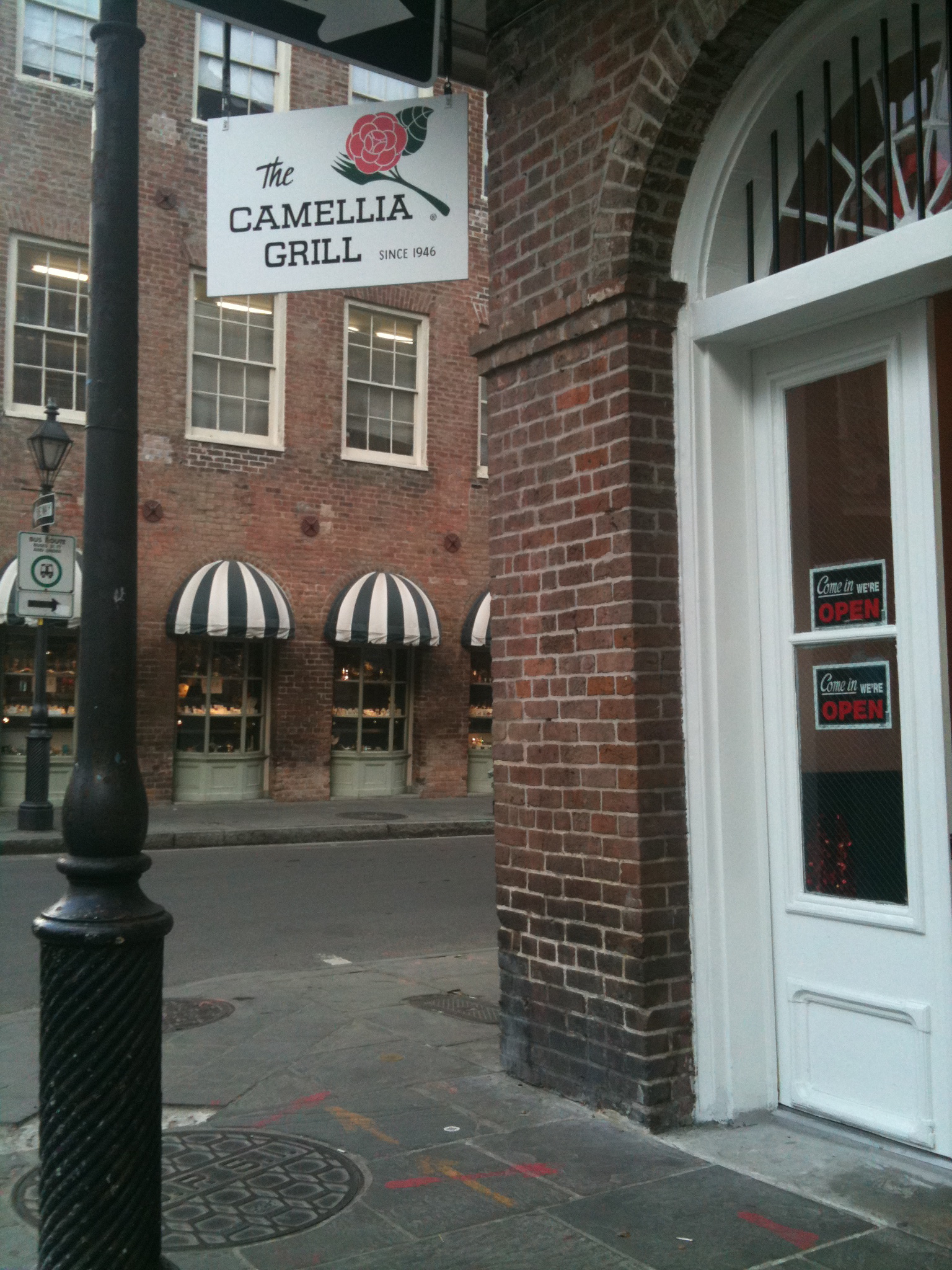
But now, we have another good choice: There is a new downtown location for an old Uptown favorite, Camellia Grill. Another place that people stand in line to eat when there are over 2000 restaurants in this city. With around 10-15 of them within walking distance of that Camellia Grill. Odd people.

Anyway, the corner of Toulouse and Chartres is now the new Camellia Grill. The deal with Camellia Grill is it is this cool hamburger joint kind of place with white-jacketed waiters working the continuous counter. I know this about burgers but go back for an omelet too. And get a freeze- my favorite is the mocha freeze. Has the best waiters. Funny and on top of it. Lovely place too. But I went there when the original owner had it and I never felt it was the same after that (why? just because people in New Orleans like to talk about the old days that they barely remember).

But people love it so much that when they did not reopen after the Federal flood, they left post it notes all over the front door until it was literally covered anywhere a human could reach. As expected, some enterprising guy who owns loads of other restaurants took his banker there, showed them the stickies and got the money to buy it and reopen it.

So now they have two, why just three years after reopening the first. Sigh. Is it possible it’s good? why yes, very possible. So possible that I will go there myself and see. Just for you. But I will say that the location that they chose was excellent in my mind. Everybody walks down Chartres from all directions from Canal because it is the entrance street from the big hotels- from the Rampart side because you can see Jax Brewery down the street so you start walking to it- from the Jax Brewery side because once you get there, you realize there is little reason to stay in it- from the cathedral/Square side because you are in a daze from all of the street life and you just start walking. And with the worst seafood fried place right there on Toulouse-Ralph and Kacoo’s (why has it remained, why why why?) maybe they will smell the grease from seafood hell and turn around for a nice burger. And they did a nice job with the renovation.

In any case, do me a favor and look at any menu with 2 questions: Do they use the word Cajun to describe everything? When you walked in did anyone call you baby? if the answers are no/yes in that order, then sit down, order it “dressed” and enjoy.

And I hope you can hear the echoes of CG legendary waiter Harry’s call in the new place:

“It’s chilly in Gentilly, rainin’ hard in St. Bernard, raisin’ hell in Slidell, two below in Tupelo, little slippy in Mississippi, and all wet in Chalmette.”